
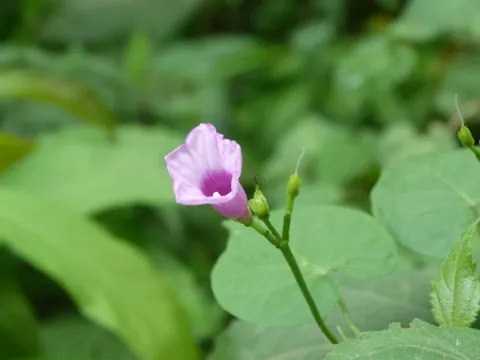
Ipomoea ramosissima
Ipomoea ramosissima
Sowing of Ipomoea ramosissima typically occurs in late spring once all dangers of night frosts have passed and soil temperatures have risen significantly.
What the section contains
Ipomoea ramosissima
It is advisable to scarify the seeds by slightly nicking the seed coat, which allows moisture to penetrate more easily and improves germination rates.
Seeds should be planted at a depth of approximately one to two centimeters, with adequate spacing to allow for healthy airflow between climbing vines.
For areas with a shorter growing season, starting seeds indoors in biodegradable pots about four weeks before the last frost is highly recommended.
Once seedlings have developed their first true leaves, they should be hardened off before being transplanted into their permanent outdoor locations.
As a member of the Convolvulaceae family, Ipomoea ramosissima is a vigorous vine that requires robust vertical support structures for optimal development.
This species thrives in locations with full sun exposure, which is critical for stimulating both rapid vegetative growth and abundant flowering.
The soil should be well-drained, fertile, and slightly acidic to neutral in pH to support the nutritional demands of this fast-growing climber.
Watering requirements are consistent; the soil should remain moist but never waterlogged to avoid root rot and other moisture-related pathologies.
The plant is highly sensitive to cold temperatures and will suffer immediate physiological damage if exposed to sudden thermal drops in the autumn.
Spider mites are common pests for Ipomoea ramosissima, especially in hot and dry climates where humidity levels drop significantly during the summer.
Aphid infestations are also a frequent challenge, often appearing on the tender shoots and interfering with the overall vitality of the vine.
Fungal issues, such as white mold or leaf spots, can develop if plants are spaced too closely, restricting the flow of air through the dense foliage.
Implementing a proper Integrated Pest Management (IPM) strategy, including regular scouting and selective insecticidal treatments, is essential.
Maintaining good garden hygiene, such as clearing fallen foliage and controlling local weeds, helps minimize the presence of overwintering pathogens.
The primary use of Ipomoea ramosissima is decorative, serving as a rapid-growing climber for pergolas, fences, and various vertical landscapes.
Harvesting for seed preservation should be timed carefully; the capsules must be allowed to dry fully on the vine before collection begins.
Once collected, seeds should be thoroughly dried in a controlled environment to ensure longevity and prevent rot during the winter storage period.
Seeds must be stored in cool, dark, and dry conditions to maintain their viability for the subsequent year's planting season.
The entire plant should be cleared from the support structure after the first frost, as it does not survive the winter in temperate zones.