
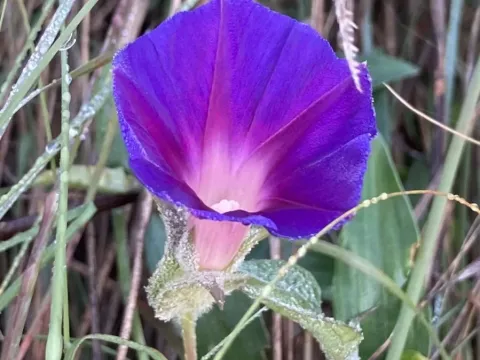
Ipomoea pubescens
Ipomoea pubescens
Sowing Ipomoea pubescens should be conducted outdoors only after the risk of frost has passed. In most climates, the ideal time is late spring when soil temperatures consistently stay above 15 degrees Celsius.
What the section contains
Ipomoea pubescens
For gardeners in regions with shorter growing seasons, starting seeds indoors in biodegradable pots about six weeks before the last frost is recommended. This allows plants to establish a strong root system before being transplanted.
The seeds of Ipomoea species often have a hard seed coat that requires scarification or soaking in warm water for 24 hours to improve germination rates. This simple pre-planting step significantly reduces the time to emergence.
When planting in the garden, ensure a spacing of approximately 30 to 40 centimeters between each plant. This allows for adequate airflow and sunlight penetration, which are crucial for preventing fungal issues.
Choose a location that receives ample sunlight and offers protection from strong winds. A stable vertical support system is essential, as the plant needs to climb to reach its full aesthetic and physiological potential.
Ipomoea pubescens, a member of the Convolvulaceae family, thrives best in well-drained, nutrient-rich loam soils. The soil pH should ideally range from neutral to slightly acidic for optimal nutrient uptake.
Good drainage is a critical requirement for this species, as it is highly susceptible to root rot if water accumulates in the soil. Proper soil preparation, including adding organic matter, helps maintain a healthy balance.
Regular but moderate watering is necessary throughout the active growing season. The soil should remain consistently moist but never waterlogged, especially during the peak of summer when heat can cause rapid evaporation.
Fertilization should be managed carefully, focusing on phosphorus and potassium to encourage blooming rather than excessive vegetative growth. Avoid nitrogen-heavy fertilizers that can result in overly leafy vines with few flowers.
Continuous support structures such as trellises or netting must be installed early in the plant's development. As a climbing vine, it requires these structures to lift its foliage off the ground and improve overall growth efficiency.
Spider mites are the most common pests that affect Ipomoea pubescens, particularly in dry and hot conditions. They feed on the sap, causing leaves to become speckled, yellow, and eventually die if left untreated.
Aphids can also colonize the growing tips of the vine, stunting growth and potentially spreading viral diseases. Regular monitoring and the application of mild insecticidal soaps are usually sufficient to control infestations.
Powdery mildew is a frequent fungal threat that presents as a white, dusty coating on the leaves. It thrives in humid conditions with poor air circulation, making proper plant spacing an essential preventative measure.
Root rot, caused by overwatering or poorly drained soil, is a severe threat that can quickly kill an established vine. Symptoms often include wilting and yellowing leaves despite adequate moisture levels in the soil.
Effective pest and disease management involves routine visual inspections of the vines. Early detection of symptoms allows for targeted treatments, minimizing the need for heavy chemical intervention throughout the growing cycle.