
Ipomoea polymorpha
Ipomoea polymorpha
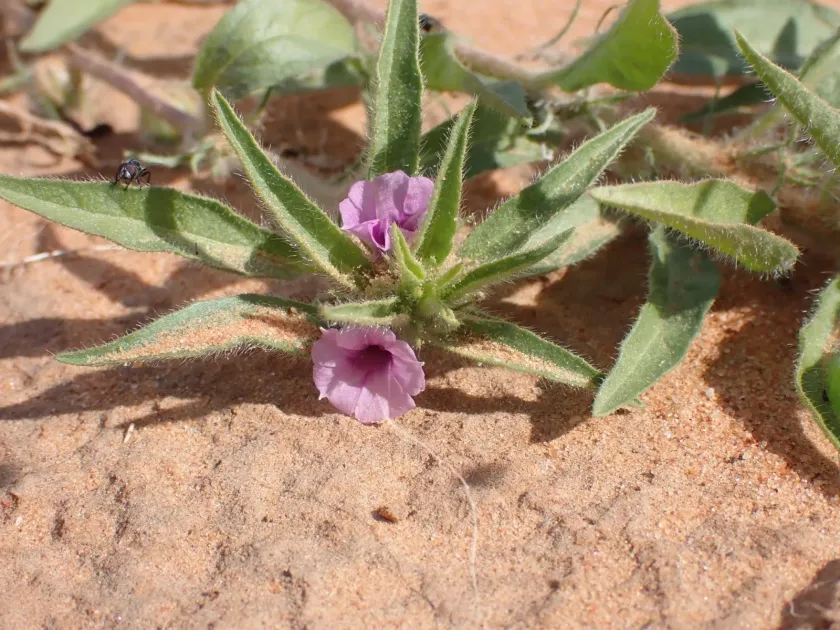
Description
Sowing dates
Ipomoea polymorpha is a distinct member of the Convolvulaceae family, known for its adaptability and morphological variability. This species typically thrives in tropical and subtropical regions where environmental conditions favor rapid biomass accumulation.
The plant exhibits a climbing habit, with vines capable of significant vertical growth. Its root system is particularly notable for being deep and resilient, which supports the plant through various growth stages.
From an agronomic perspective, this plant is considered a research subject for drought resistance and phytoremediation capabilities in marginal soils where other crops struggle.
The life cycle of Ipomoea polymorpha is characterized by rapid early development, allowing it to compete effectively with weeds in managed field environments.
Botanists often highlight the species' unique leaf structures, which demonstrate significant phenotypic plasticity, allowing the plant to respond to varying light conditions.
Growing requirements
The plant requires high solar radiation levels to ensure maximum photosynthetic efficiency. Locations with direct sun exposure provide the best results for flower production.
Well-draining, loamy soils are ideal for this crop. It does not tolerate waterlogging, which often leads to root hypoxia and subsequent decline in plant health.
Thermal requirements dictate that the plant must be grown in frost-free seasons. Growth significantly slows down when temperatures drop below 15 degrees Celsius.
Soil pH should ideally be kept near neutral levels, although the plant shows some tolerance to slightly acidic or alkaline conditions typical of its native habitats.
Watering schedules should prioritize consistency over volume. Regular irrigation during dry spells helps maintain turgor pressure and promotes continuous growth throughout the season.
Main diseases and pests
Spider mites are a common pest in arid conditions, frequently infesting the underside of leaves and creating fine webs that disrupt normal plant transpiration.
Fungal pathogens such as powdery mildew can be problematic if air circulation is poor, particularly in dense plantings where moisture remains trapped on leaf surfaces.
Root rot caused by Oomycetes is a major threat in fields with poor drainage or during seasons with excessive rainfall, requiring careful site selection.
Integrated pest management strategies are recommended, including the use of neem oil or other biological controls to mitigate the impact of common sucking insects.
Early detection and removal of diseased plants are crucial practices to prevent the spread of soil-borne pathogens within the growing area.