
Ipomoea pileata
Ipomoea pileata
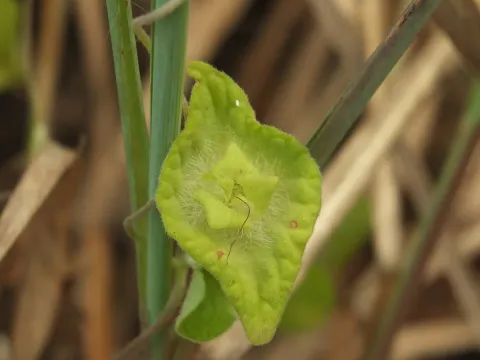
Ipomoea pileata is a distinctive climbing plant belonging to the Convolvulaceae family. Native to tropical Africa, this species is noted for its unique morphological structure, specifically the cap-like bracts that envelop its inflorescences, giving it an exotic appearance.
What the section contains
Ipomoea pileata
The plant thrives in warm, tropical climates and requires high levels of ambient heat to flourish. In agricultural practice, it is strictly non-frost tolerant, meaning that even light frosts can cause significant damage or death to the entire plant structure.
Soil requirements for this crop include well-draining, nutrient-rich substrates with a slightly acidic to neutral pH level. It performs best in soils that retain moderate moisture without becoming waterlogged, which is essential to prevent root asphyxiation.
Exposure to direct sunlight is necessary for optimal bloom production and vine vigor. While it can tolerate partial shade, prolonged periods of low light will result in etiolated, weak stems and a significant reduction in flowering performance.
Adequate support systems are mandatory for the successful development of Ipomoea pileata. As a twining vine, it requires sturdy trellises or netting to grow vertically, which improves airflow and prevents the foliage from matting against the ground.
The primary pathological threats include fungal infections such as powdery mildew and various forms of stem rot. These issues are almost always triggered by high humidity levels coupled with poor air circulation within the plant canopy.
Insect pests include common greenhouse threats like spider mites and aphids. These organisms extract sap from succulent growth, leading to chlorosis and stunted development of the vine. Integrated pest management using biological controls is recommended for maintaining plant health.