
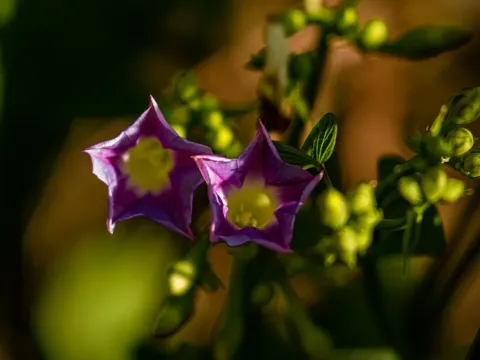
Ipomoea parasitica
Ipomoea parasitica
Sowing of Ipomoea parasitica typically occurs in late spring once the soil temperature has reached a consistent level suitable for tropical species.
What the section contains
Ipomoea parasitica
Seed preparation involves mechanical scarification of the seed coat followed by soaking to ensure uniform germination across the field or garden plot.
Direct seeding in rows is preferred in warm climates, maintaining a spacing that allows the vines to spread without excessive competition for nutrients.
For research or nursery purposes, container sowing is utilized, using a lightweight substrate to allow for easy transplanting once the seedlings are robust.
Optimal germination requires steady moisture and warmth, necessitating careful attention to the soil environment during the first two weeks post-sowing.
Belonging to the Convolvulaceae family, Ipomoea parasitica is a vining plant that requires structural support to thrive and display its full physiological potential.
The plant demands high levels of solar radiation and is primarily adapted to tropical climates where temperatures remain consistently above freezing year-round.
Soil quality should be moderately fertile and well-draining, as the roots are highly susceptible to rot when subjected to prolonged waterlogging conditions.
Regular fertilization with nitrogen-based nutrients promotes vigorous leaf production, while balanced minerals support the development of flowers and reproductive organs.
Wind protection is essential, as the twining stems are prone to damage if they are not securely anchored to a trellis or natural support system.
Spider mites are the most persistent pest for Ipomoea species, particularly in dry and hot conditions where they can multiply rapidly on the undersides of leaves.
Aphid infestations commonly target the apical meristems, causing stunted growth and potentially vectoring viral diseases that reduce overall crop vigor.
Fungal pathogens such as leaf spot are frequently observed when humidity is high and airflow within the plant canopy is insufficient for proper drying.
Root rot, caused by various soil-borne oomycetes, is a significant threat during periods of heavy rainfall or if the planting site lacks proper drainage.
Managing these threats requires a combination of good sanitation, proper canopy thinning, and the application of appropriate biological or chemical controls.