
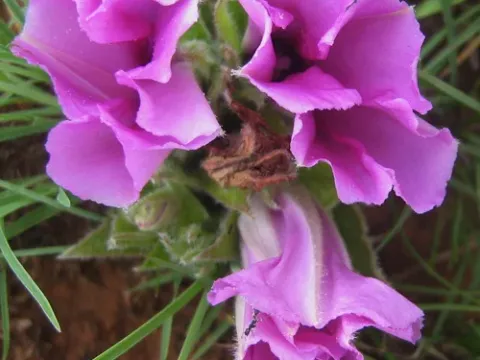
Ipomoea ommaneyi
Ipomoea ommaneyi
Ipomoea ommaneyi is a distinctive species within the Convolvulaceae family, recognized for its specific physiological adaptation to warm, tropical environments.
What the section contains
Ipomoea ommaneyi
As a climbing herbaceous perennial, this plant requires sturdy support structures to allow for optimal vertical growth and photosynthesis throughout the vegetative season.
The soil profile for this crop should be well-drained and friable, preferably sandy loam, to ensure that the root system has adequate oxygen access and water drainage.
Environmental conditions must include consistent temperatures, ideally ranging between 22 and 30 degrees Celsius, alongside high light intensity to promote flowering and tuber development.
Water management is critical; while the plant thrives in tropical climates, it cannot withstand prolonged waterlogging, which often leads to severe physiological stress.
The most common agricultural challenges include fungal infections such as root rot and leaf spot, which are frequently triggered by poor drainage or excessive humidity.
Pest pressure often comes from sap-sucking insects like aphids and spider mites, particularly when the plant is grown in greenhouse conditions with restricted airflow.
In certain regions, soil-borne larvae can target the root systems, requiring preventative measures such as soil sterilization or crop rotation strategies.
Foliar damage from herbivores or insects can be mitigated through early detection and the targeted application of organic horticultural oils or approved pesticides.
- Regular soil aeration to prevent fungal development
- Monitoring for sap-sucking pests during dry spells
- Implementation of proper drainage systems