
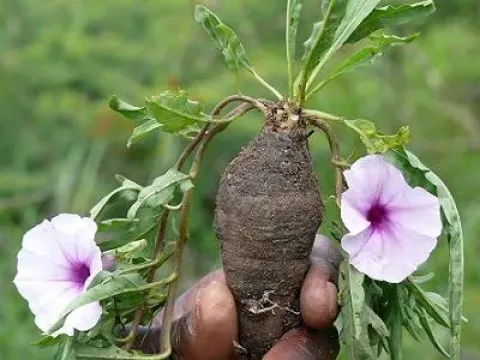
Ipomoea oenotherae
Ipomoea oenotherae
Ipomoea oenotherae is a specialized plant species belonging to the Convolvulaceae family. It is known for its distinct physiological traits that differentiate it from more common climbing species within the genus Ipomoea.
What the section contains
Ipomoea oenotherae
The plant originates from arid to semi-arid environments, favoring locations with high solar radiation. It thrives in well-drained, sandy-loam soils that prevent water saturation, which is crucial for its overall health and vitality.
Cultivation requires full sun exposure to ensure robust growth and consistent flowering. Inadequate light conditions often result in weak, leggy stems and a significant reduction in the plant's natural bloom production.
Regarding moisture, Ipomoea oenotherae is relatively drought-tolerant once established. However, during the early stages of development, moderate and consistent moisture is necessary to support root system expansion.
Optimal growth occurs at temperatures ranging between 22°C and 30°C. The species is sensitive to sudden drops in temperature and should be protected from frost, which can cause irreparable damage to the vascular system of the plant.
The primary pests affecting Ipomoea oenotherae include spider mites and aphids, which thrive in hot, dry conditions. These insects target the succulent parts of the plant, causing yellowing and premature leaf senescence.
Fungal pathogens such as powdery mildew represent the most significant disease threat, especially in conditions of high humidity or poor air circulation. Symptoms include a visible powdery coating on the foliage and stunted growth.
Integrated Pest Management (IPM) strategies are recommended to mitigate threats. This involves monitoring pest populations, removing infested foliage, and utilizing targeted insecticides only when thresholds are exceeded.
To prevent disease outbreaks, it is essential to ensure adequate spacing between plants to maximize airflow. Good sanitation practices, such as removing debris from the base of the plant, further reduce the risk of pathogen accumulation.
Root health is vital, and excessive irrigation must be avoided to prevent damping-off or root rot diseases. Maintaining a balanced soil structure and utilizing appropriate drainage solutions are fundamental for sustainable crop success.