
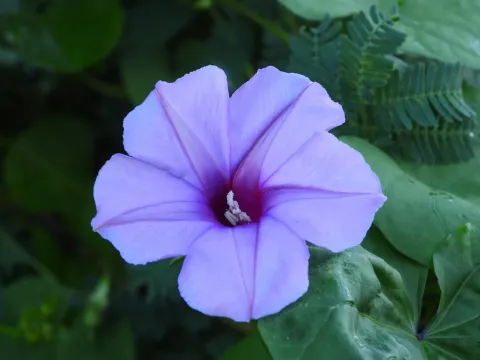
Ipomoea muricata
Ipomoea muricata
Ipomoea muricata is a heat-loving tropical plant, therefore sowing should only be conducted when all danger of frost has passed and soil temperatures remain consistently high.
What the section contains
Ipomoea muricata
In regions with cooler climates, starting seeds indoors in pots four to six weeks before the last frost date is recommended to ensure a longer growing season.
The seeds possess a hard coat; soaking them in warm water for twenty-four hours or lightly scarifying the surface can significantly improve the rate of germination.
Optimal soil temperature for successful sprouting is between 20 and 25 degrees Celsius, providing the necessary thermal conditions for early seedling vigor.
Seedlings should be spaced approximately 40 to 50 centimeters apart, allowing sufficient space for the climbing vines to spread and receive adequate sunlight.
Belonging to the Convolvulaceae family, this plant thrives in sunny locations protected from strong winds that might damage its climbing stems.
It prefers fertile, well-draining soils with a neutral pH, as waterlogged conditions often lead to root health issues and overall poor plant performance.
Providing a sturdy trellis or vertical support system is essential, as the plant is a prolific climber that requires elevation for proper leaf and fruit development.
Regular but controlled watering is necessary throughout the growing season, with care taken to keep the root zone moist but never saturated.
Occasional fertilization with a balanced mix containing phosphorus and potassium supports robust flowering and subsequent fruit set in this species.
The agricultural value of Ipomoea muricata lies primarily in its edible young fruits, which are consumed in various culinary traditions as a nutrient-dense vegetable.
Yields are maximized by ensuring high light exposure and consistent moisture levels, which prevent plant stress and encourage continuous vegetative production.
Harvesting should occur during the technical maturity stage, specifically while the fruits are young, tender, and succulent, prior to the development of fibrous layers.
Proper management of the plant's growth via pruning and trellising can significantly increase the total yield per square meter of cultivation space.
With correct care, each plant produces multiple harvests over the season, making it a reliable crop for local production in suitable tropical and subtropical climates.
Common pests include spider mites and aphids, which target the underside of the leaves and can cause significant damage if populations are not controlled.
Fungal diseases, such as powdery mildew, may emerge in conditions of high humidity and poor airflow, manifesting as white patches on the foliage.
Root rot remains a primary concern in poorly drained soil or over-irrigated areas, necessitating careful monitoring of soil moisture levels at all times.
Integrated pest management strategies, such as biological controls or targeted sprays, are recommended to maintain plant health without harming the environment.
Maintaining a clean growing area and removing debris after the harvest season helps disrupt the lifecycle of potential pathogens and insect pests.