
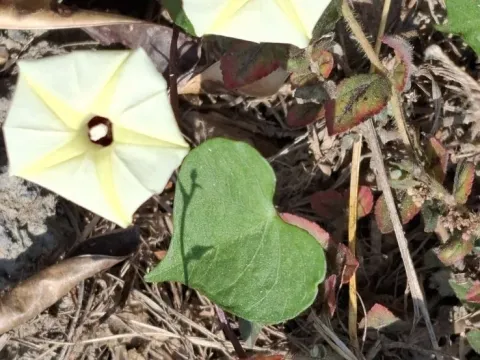
Ipomoea obscura
Ipomoea obscura
Ipomoea obscura is a climbing herbaceous plant in the Convolvulaceae family, native to tropical regions where it thrives under warm conditions.
What the section contains
Ipomoea obscura
Sowing should take place once the soil temperature is consistently above 15 degrees Celsius, ensuring that all risks of frost have completely passed.
Direct sowing in rows is common, placing seeds at a shallow depth of about 2 centimeters to ensure they have enough energy to reach the surface.
For regions with shorter growing seasons, starting seeds indoors in biodegradable pots can provide a head start before transplanting to the field.
Consistent moisture levels are critical during the germination phase to ensure a high success rate and uniform establishment of the crop.
The plant requires full sun exposure to flourish and maintain its structural integrity, making site selection a priority for any grower.
Well-draining, fertile soil with a neutral pH is ideal for promoting vigorous growth and healthy leaf production throughout the growing season.
Regular irrigation is necessary, though care should be taken to avoid waterlogging, which can lead to root system decay in this species.
As a climbing vine, Ipomoea obscura demands vertical support structures like trellises or stakes to facilitate its upward growth pattern effectively.
Minimal fertilization with a balanced mix is usually sufficient, as excessive nitrogen can prioritize foliage growth over flowering performance.
The total yield of Ipomoea obscura is often measured by its vegetative biomass, which serves as a source of organic matter in tropical systems.
Seed production can be significant if pollinators are active and environmental conditions remain stable throughout the flowering and ripening stages.
In various agricultural contexts, this plant is valued for its rapid growth, allowing for multiple harvests of greenery within a single growing cycle.
To maximize yields, weed control is essential during the early developmental phases to ensure the plants do not compete for vital ground resources.
Proper spacing during planting significantly impacts yield, as overcrowding can restrict airflow and lead to lower productivity per square meter.
Common threats to this plant include fungal diseases such as leaf spots and powdery mildew, which thrive in high humidity and stagnant air environments.
Pests like aphids and spider mites frequently target the succulent foliage, potentially reducing the plant's overall health and aesthetic value.
Root rot is a major risk when soil drainage is insufficient, often appearing as yellowing of the lower leaves followed by rapid plant wilting.
Integrated pest management strategies, including the use of beneficial insects, are recommended to control outbreaks without harming the local ecosystem.
- Regular inspection of leaf undersides helps detect pest early.
- Removing debris minimizes the risk of overwintering pathogens.
Harvesting seeds requires careful timing; the seed capsules should be collected just as they turn brown but before they naturally dehisce and scatter.
When harvesting foliage, clean tools should be used to make precise cuts, which helps the plant recover quickly or prevents unnecessary tissue damage.
After collection, plant material should be dried in a sheltered, airy location to prevent moisture buildup and subsequent fungal development.
Seed cleaning involves gently removing chaff and debris to ensure the storage quality is maintained for future planting or processing needs.
Proper storage in airtight or breathable paper containers in a cool, dry place ensures the longevity and viability of the collected crop material.