
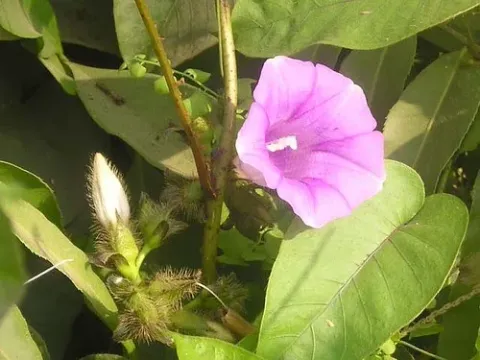
Ipomoea maxima
Ipomoea maxima
Ipomoea maxima is a herbaceous climbing plant belonging to the Convolvulaceae family. It is native to tropical and subtropical regions, thriving in environments characterized by high humidity and consistent warm temperatures throughout its growing season.
What the section contains
Ipomoea maxima
The crop requires full sun to partial shade for optimal photosynthesis and vigorous vine development. Temperatures should ideally remain between 22 and 30 degrees Celsius, as the plant is highly susceptible to frost and cold stress, which can cause significant damage to the plant tissue.
Well-draining, fertile soil with a neutral to slightly acidic pH is essential for the healthy growth of Ipomoea maxima. Incorporating organic matter, such as well-rotted compost, into the soil profile enhances nutrient availability and supports root system expansion.
Agronomic practices include installing sturdy trellises or vertical supports to facilitate the climbing habit of the vines. Adequate irrigation is necessary during dry spells to maintain consistent moisture, although excessive waterlogging must be avoided to prevent root rot.
Beyond its aesthetic and ornamental appeal, Ipomoea maxima has potential applications in agricultural and botanical fields. Ongoing studies continue to explore its chemical profile and utility in various environmental and medicinal contexts, highlighting its versatility.
Spider mites are the most common pests affecting Ipomoea maxima, especially during hot and arid periods. These pests thrive in dry environments and can lead to leaf discoloration if left unmanaged, requiring prompt intervention with miticides or water sprays.
Powdery mildew represents a significant fungal threat, characterized by white spots on the foliage. To mitigate this risk, it is important to ensure adequate air circulation between plants and avoid overhead irrigation that keeps the leaves damp for extended periods.
Root rot caused by Oomycetes or various soil-borne fungi is a critical concern in heavy or poorly drained soils. Maintaining proper soil structure and applying biological fungicides can significantly reduce the incidence of these destructive soil-borne infections.
Aphids often target the tender growing tips of the vines, potentially transmitting viral diseases that distort leaves and reduce overall yield. Regular scouting and the application of insecticidal soaps are recommended to keep aphid populations below economic injury levels.
Nematode infestations can damage the root system, leading to stunted plant growth and overall weakening. Implementing a sound crop rotation plan that avoids susceptible host plants helps in managing soil-borne nematode populations effectively.