
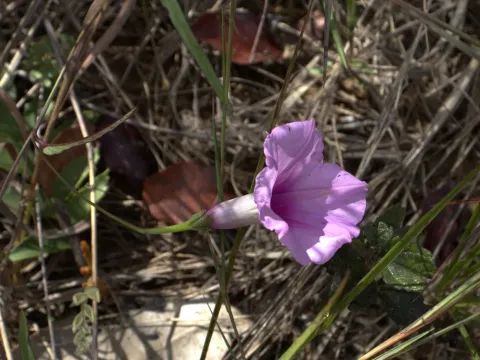
Ipomoea kunthiana
Ipomoea kunthiana
Ipomoea kunthiana is a perennial herbaceous vine belonging to the Convolvulaceae family. This species is recognized for its vigorous climbing habit and is often utilized for its dense foliage and attractive, trumpet-shaped flowers.
What the section contains
Ipomoea kunthiana
Native to the tropical regions of the Americas, this culture thrives in climates with high thermal stability. It requires full sunlight exposure to maintain robust growth, as insufficient light levels result in leggy stems and poor flower production.
The plant demands well-draining, nutrient-rich soil to thrive. It is particularly sensitive to waterlogged conditions, which can quickly lead to root rot and systemic plant failure. Ensuring adequate drainage is a fundamental requirement of its cultivation.
Climate suitability is limited to tropical and subtropical environments where temperatures remain consistently above freezing. In temperate zones, it is typically grown as an annual or as a greenhouse ornamental, as it cannot withstand frost.
In landscaping, it is used for vertical structures such as trellises, fences, and pergolas. Its rapid development allows for quick coverage, making it a preferred choice for areas where immediate aesthetic impact is required.
Spider mites are the most common pests affecting Ipomoea kunthiana, especially in dry and warm weather. They infest the undersides of leaves, leading to stippling and eventual leaf drop if the infestation remains uncontrolled.
Aphids often target the succulent new growth of the vines. Regular monitoring is essential, as these pests can reproduce rapidly and cause significant stress to the plant during its peak growing season.
Powdery mildew is a prevalent fungal disease that appears as a white, powdery coating on leaves. It is encouraged by poor air circulation and high humidity levels, particularly in enclosed growing spaces or dense plantings.
Root rot is primarily a management issue caused by overwatering or compacted soil. Maintaining a balance between soil moisture and oxygen content is critical for the overall health of the root system.
Preventative measures, including providing adequate spacing between plants and ensuring proper sunlight, significantly reduce the incidence of both fungal pathogens and pest outbreaks.