
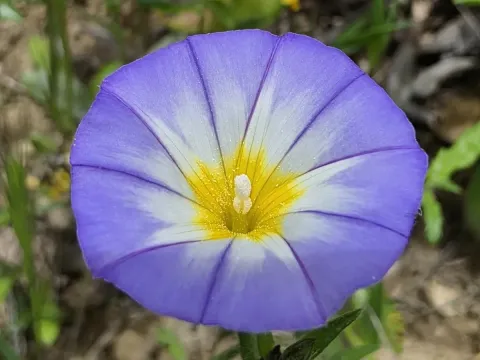
Convolvulus meonanthus
Convolvulus meonanthus
Convolvulus meonanthus is a distinct botanical species belonging to the Convolvulaceae family. Native to the Mediterranean region, this plant has adapted to survive in challenging environments characterized by sandy substrates and irregular precipitation patterns typical of coastal areas.
What the section contains
Convolvulus meonanthus
The species is primarily recognized for its vigorous climbing habit and ability to colonize light, well-drained soils. Its biological structure includes a robust root system capable of deep water extraction, which allows it to thrive in climates where other herbaceous crops might fail during periods of heat stress.
Successful cultivation of Convolvulus meonanthus depends on providing an environment that mimics its natural habitat. The plant requires full sunlight exposure for at least 8 hours a day to facilitate proper flower development and prevent etiolation of the stems, which can weaken the plant's overall structure.
Soil requirements are strict regarding drainage. The optimal substrate should be light, sandy, or gravelly, with a near-neutral pH level. Incorporating organic matter must be done with caution, as excessive fertilization often leads to reduced blooming and increased susceptibility to physiological disorders.
Agronomic management should focus on minimal intervention. Frequent irrigation is unnecessary once the plant is established; in fact, overwatering is the primary cause of plant failure. Pruning is recommended only to manage the climbing vigor and ensure that the plant does not smother surrounding vegetation.
The plant is susceptible to fungal pathogens such as powdery mildew, especially in humid conditions with poor airflow. Additionally, spider mites can be a significant pest during hot, dry spells, often requiring biological control measures to preserve the foliage health.