
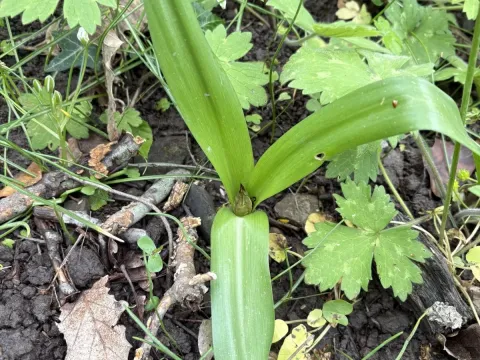
Colchicum umbrosum
Colchicum umbrosum
Colchicum umbrosum is a perennial herbaceous bulbous plant belonging to the family Colchicaceae. It is a distinctive spring-leafing, autumn-flowering ephemeral that has evolved to thrive in temperate forest environments.
What the section contains
Colchicum umbrosum
The native range of this species extends across the Crimea, the Caucasus, and parts of Asia Minor. It typically inhabits shaded areas, forest edges, and damp mountain slopes, where it benefits from high humidity and cooler temperature regimes.
Botanically, the plant develops a corm that serves as a storage organ. Its life cycle is split into two phases: a leaf-growing stage in the spring followed by a dormant phase, and an intense flowering period in late summer or autumn when the blooms appear on leafless stalks.
For optimal cultivation, the species requires well-drained, humus-rich soil. While it prefers shade, it can adapt to partial sun provided that the soil moisture levels are maintained, especially during the active spring growth period.
In terms of usage, Colchicum umbrosum is highly valued in ornamental horticulture for its ability to provide flowers when many other garden plants have ceased their growth. It is an excellent choice for woodland gardens, provided that all parts of the plant are handled with care due to their toxicity.
Slugs and snails are the primary pests of this species, particularly affecting the succulent foliage during the early spring growth phase. Manual removal or bait stations are recommended for effective pest management.
Botrytis rot (grey mold) is a significant disease risk, especially in soil that lacks proper drainage. To prevent rot, ensure that the corms are planted in areas where surface water does not accumulate during the dormant season.
Viral infections can affect the health of the plant, manifesting as mosaic patterns or discoloration on leaves and flowers. Infected plants should be promptly removed and disposed of to prevent the spread of the virus by aphids.
During hot and dry summers, the plant may become susceptible to spider mite infestations. Monitoring the foliage and ensuring adequate soil moisture can reduce the likelihood of these pests causing significant damage.
Fungal pathogens affecting the roots can often be traced back to over-fertilization or poor aeration. Using balanced, slow-release fertilizers and ensuring the soil remains loose and aerated helps maintain the long-term health of the bulbs.