
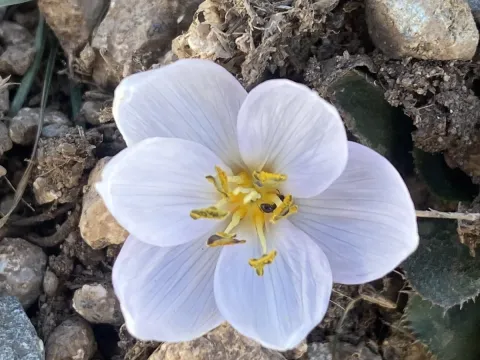
Colchicum triphyllum
Colchicum triphyllum
Colchicum triphyllum, also known as the three-leaf autumn crocus, is a perennial bulbous plant belonging to the Colchicaceae family. It is native to the steppe and mountainous regions of Southern Europe and the Caucasus, where it has adapted to Mediterranean climatic patterns.
What the section contains
Colchicum triphyllum
The plant exhibits a distinct seasonal rhythm, blooming in early spring shortly after the snow melts. Following the flowering period, the foliage emerges and eventually dies back by early summer, marking the beginning of the plant's dormancy phase.
Cultivation requires sites with full sunlight and excellent drainage. This species is particularly sensitive to waterlogging, as its bulbs are prone to rot if kept in moist soil for extended periods during the summer heat.
Preferred soil types include sandy or stony substrates that mimic the natural drainage conditions of its native steppe habitat. The soil should be neutral to slightly alkaline to ensure optimal nutrient absorption and health of the bulb.
The horticultural value of this plant lies in its early blooming, making it an excellent choice for rock gardens. It is highly drought-tolerant, requiring minimal intervention once established, provided it is planted in a location that naturally dries out during the summer.
The most significant threat to Colchicum triphyllum is fungal disease, particularly bulb rot resulting from poor soil drainage. Ensuring that the planting site remains dry during the dormant season is the primary method of prevention.
Pests such as slugs and snails often target the young leaves during the spring. Implementing mechanical barriers like crushed rock or grit around the base of the plant can effectively deter these mollusks and prevent foliage damage.
Root damage caused by soil-dwelling larvae can also weaken the plant, making it susceptible to secondary infections. Regular monitoring of the foliage and overall vigor is essential for early detection of any health issues.
While the plant contains toxic alkaloids that deter many mammalian herbivores, it is still necessary to ensure that the area is not frequently disturbed by digging animals, which can expose the bulbs to frost.
To maintain healthy populations, avoid overcrowding by spacing the bulbs adequately during planting. This promotes good airflow, which is crucial in reducing the prevalence of moisture-related pathogens in the root zone.