
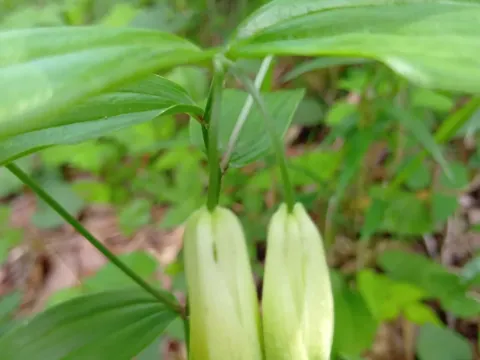
Disporum
Disporum Salisb.
Propagation of Disporum is primarily achieved through vegetative division of the rhizomes, which is best performed in early spring before the active growth of new stems begins.
What the section contains

Disporum
Seed propagation is possible but requires a cold stratification period of at least two to three months to overcome dormancy and improve overall germination rates.
When sowing seeds outdoors, they should be planted at a shallow depth in prepared beds during the autumn, allowing the natural winter cycle to act as the stratification.
The ideal time for transplanting divisions is either in April or September, ensuring the soil is adequately moist and weather conditions are moderate for root establishment.
Selecting the right location is crucial; the plant needs a spot where its root system can quickly stabilize without facing the risk of extreme soil drying in the early stages.
Disporum belongs to the Colchicaceae family and is an archetypal woodland plant that thrives in partial shade or full shade, requiring protection from intense direct sunlight.
The crop has specific soil requirements, preferring loose, fertile soils that are rich in organic matter and possess a slightly acidic to neutral pH level.
The plant is highly sensitive to waterlogged conditions, which makes the installation of a proper drainage layer essential when planting in heavier clay-based soils.
During the peak growing season, regular watering is vital for Disporum, as dry substrates can severely impact leaf texture and overall plant vigor and health.
In temperate climates, the plant exhibits good winter hardiness, though mulching the root zone is recommended during harsh winters with minimal snow cover to protect the rhizomes.
The most common pests affecting Disporum in outdoor environments are slugs and snails, which can cause significant damage to young succulent shoots and leaves during wet seasons.
Poor air circulation and excessive moisture levels can lead to fungal infections, such as grey mold, characterized by visible lesions appearing on various plant parts.
To mitigate the risk of disease spread, it is important to maintain adequate spacing between plants to ensure that air flows freely around the foliage and stems.
The root system may suffer from chronic overwatering, which facilitates the development of root rot, making moisture management a primary concern for growers.
Preventative measures include annual early spring fungicide applications and the prompt removal of decaying plant debris where pathogens are likely to overwinter.