
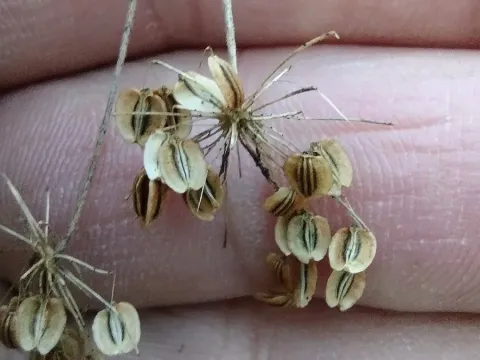
Coelopleurum
Coelopleurum
The sowing of Coelopleurum naturally occurs via seed dispersal in late summer, ensuring the biological clock of the plant is aligned with the coming seasons.
What the section contains
Coelopleurum
For agricultural purposes, seeds should be sown in late autumn to facilitate natural stratification, which is essential for uniform germination in spring.
The seeds should be placed at a depth of about 1.5 centimeters in well-prepared, friable soil to allow for optimal shoot emergence.
Proper spacing is critical; seedlings should be thinned to ensure adequate airflow, reducing the risk of fungal outbreaks in the leaf rosettes.
Maintaining consistent soil moisture after sowing is vital for successful establishment, as the seeds are highly sensitive to drought during the initial germination phase.
Coelopleurum is a member of the Apiaceae family and thrives in temperate climates, showing a preference for regions with moist, cool weather conditions.
The plant requires deep, fertile, and organic-rich soils with a slightly acidic to neutral pH for robust growth and development of its root system.
Adequate drainage is paramount, as the plant is susceptible to root rot if water stagnates around the base for an extended period.
While Coelopleurum can tolerate partial shade, it reaches its maximum biomass potential when cultivated in open, well-lit areas with sufficient protection from harsh winds.
Cultural practices should emphasize consistent irrigation during dry spells to ensure the foliage remains lush and productive throughout the growing season.
The most significant threats to Coelopleurum include various fungal infections, such as powdery mildew, which thrive in humid and poorly ventilated conditions.
Insect pests including aphids and certain larvae can cause substantial damage to the developing stalks and leaves, impacting overall harvest quality.
Root-knot nematodes and wireworms may affect the root system, causing stunted growth and increasing susceptibility to secondary bacterial infections.
Integrated pest management strategies are recommended, focusing on maintaining soil health and beneficial predatory insect populations within the field.
Monitoring the fields regularly during the early stages of growth helps in identifying and treating pest infestations before they spread across the crop.
Harvesting the leaves for culinary or medicinal use should occur before the plant bolts to ensure the highest concentration of volatile oils and tender textures.
If the roots are the targeted product, they should be harvested after the first frost, which is when the plant redirects all energy to the underground storage organs.
For seed production, the umbels must be gathered when they turn a brownish hue, indicating maturity, but before they dry out completely and shatter.
Post-harvest processing involves gentle cleaning followed by drying in a cool, ventilated area away from direct sunlight to preserve active compounds.
Proper storage of the final product in airtight containers is necessary to maintain the shelf life and potency of the harvested plant material.