
Disporum
Disporum
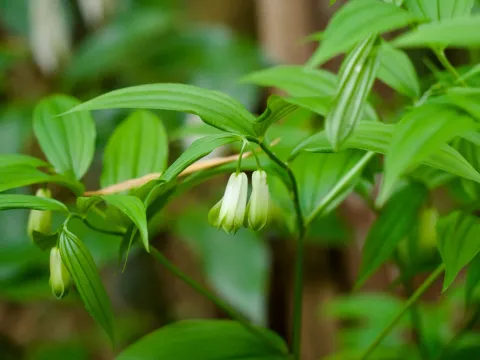
Disporum is a genus of perennial herbaceous plants belonging to the Colchicaceae family. Known for their graceful arching stems and delicate bell-shaped flowers, these plants are highly valued in horticultural practices for shaded garden environments.
What the section contains


Disporum
Originating from the woodlands of East Asia and North America, Disporum species thrive in cool, moist, and sheltered locations. They mimic the natural forest floor conditions, making them excellent choices for woodland-style landscapes and shady perennial borders.
The cultural requirements for Disporum include well-drained, humus-rich soil that retains consistent moisture. Soil acidity should be slightly acidic to neutral to ensure optimal nutrient uptake and root development across the growing season.
Climate adaptation is crucial; the plant prefers regions with moderate temperatures and a clear dormant winter period. While some species are hardy, providing a layer of organic mulch during winter is recommended to protect the rhizomes from freezing temperatures.
Maintenance is relatively low, focusing on irrigation during summer dry spells and providing organic fertilizers in early spring. Since Disporum grows slowly, it prefers to remain undisturbed in the garden, gradually forming elegant colonies over many years.
The primary pests affecting Disporum are slugs and snails, which can significantly defoliate the plant, particularly when tender new shoots emerge in the spring. Barrier methods or organic molluscicides are standard control measures.
Fungal diseases, specifically root rot, present the greatest threat when soil drainage is insufficient. Excessive moisture levels lead to a decline in plant health and can destroy the root system if water becomes stagnant in the planting pit.
Good cultural practices, such as ensuring adequate spacing to promote air circulation, significantly reduce the risk of foliar fungal infections. Removing debris around the plants also helps prevent the accumulation of moisture and pathogens.
If leaf spot or similar symptoms appear, immediate removal of affected foliage is necessary to prevent further spread. Fungicides may be used as a supplementary measure if the infection threatens the plant's overall vitality.
By providing a stable, well-draining environment, gardeners can prevent most common threats and ensure the longevity of the plant, allowing it to flourish in the shade of larger shrubs or trees.