
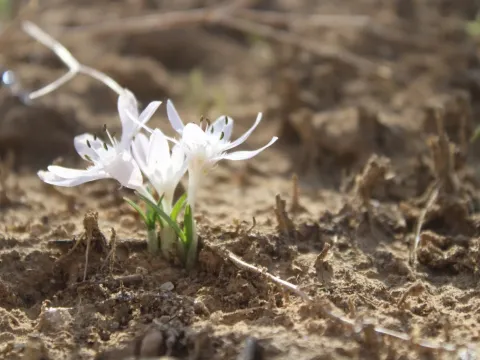
Colchicum tuviae
Colchicum tuviae
Colchicum tuviae is a distinct perennial bulbous plant belonging to the Colchicaceae family. Native to specific arid regions in the Middle East, it has evolved to thrive in environments with seasonal climatic shifts, specifically favoring mild, wet winters and long, dry, dormant summers.
What the section contains
Colchicum tuviae
The agronomic success of this crop relies heavily on soil structure. It requires well-draining, sandy or loamy soils to prevent bulb rot. If grown in heavier clay soils, the addition of grit or gravel is essential to ensure adequate water passage away from the bulbs.
Regarding climate, this species requires full sun to partial shade, with exposure being most critical during the vegetative growth phase in the spring. Proper light exposure ensures the plant produces enough energy to support the autumn flowering cycle.
Botanical biology involves a unique developmental cycle: flowers emerge in autumn without foliage, while leaves and seeds develop during the following spring. Agronomists must ensure the soil is not disturbed during the summer dormancy period when the plant is underground.
Beyond its ornamental value, Colchicum species are significant in agricultural research due to the production of colchicine. This alkaloid is used in plant breeding to induce polyploidy, making it a valuable tool in experimental agriculture and plant genetics.
The primary threat to Colchicum tuviae is fungal infection, particularly Botrytis and various Fusarium species, which thrive in moist conditions. Maintaining excellent soil drainage is the most effective cultural practice to mitigate these risks.
Pests such as gastropods, including snails and slugs, are highly attracted to the fresh, succulent foliage during the spring. Implementing baiting programs or installing protective barriers is necessary during the active growth period to prevent foliage destruction.
Soil-borne insects such as wireworms may also cause mechanical damage to the bulbs, creating entry points for secondary pathogens. Regular soil inspection and pest management protocols are recommended for healthy bulb development.
Viral pathogens can affect the vigor of the plant, often resulting in flower color variegation or stunted growth. Using certified, virus-free bulbs and controlling insect vectors are the best strategies for managing viral health in the field.
Over-fertilization can weaken the plant's natural resistance to pests and diseases. A balanced, cautious fertilization program focusing on soil structure rather than rapid vegetative growth is preferred for long-term cultivation sustainability.