
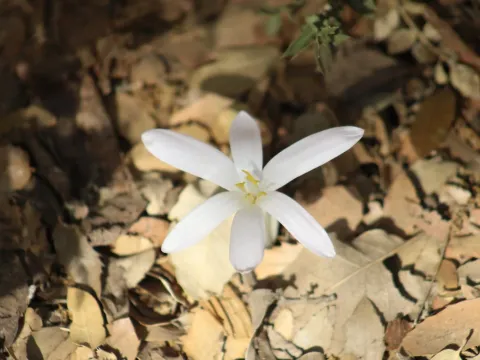
Colchicum troodi
Colchicum troodi
Colchicum troodi is a distinct bulbous plant belonging to the Colchicaceae family. It is recognized as an endemic species native to the Troodos Mountains of Cyprus, where it thrives in rocky terrain and mountain slopes, showcasing a remarkable adaptation to Mediterranean climates.
What the section contains
Colchicum troodi
The plant exhibits a characteristic heteranthous habit, where the flowering phase occurs in late autumn, separate from the vegetative phase. The broad, lanceolate leaves emerge in the spring and wither completely by early summer, marking the beginning of the corm's dormant period.
Successful cultivation requires soil that mimics the plant's natural habitat. Excellent drainage is non-negotiable; therefore, rocky or sandy substrates are preferred to prevent the corm from rotting during the wet winter months when the plant is not actively growing.
The species requires a position in full sun to thrive, ensuring the corms receive sufficient warmth to ripen during the dry summer dormancy. In colder regions, providing a sheltered, south-facing spot can replicate the thermal conditions necessary for consistent yearly blooming.
Agricultural management should prioritize dry conditions during the summer dormancy. If the soil remains wet during the plant's resting phase, the corm is highly susceptible to physiological stress and rot. Supplemental watering should only be provided during the spring leaf development stage.
Fungal pathogens, particularly those causing basal rot and gray mold, represent the most significant threat to Colchicum troodi. Maintaining a strictly dry environment during dormancy and using well-draining potting media or raised beds are the best preventative measures against these diseases.
Garden pests such as slugs and snails are highly attracted to the succulent foliage as it emerges in the spring. Implementing integrated pest management, such as physical barriers or biological controls, is essential to ensure the plant can store enough energy for the subsequent autumn flowering cycle.