
Codonatanthus
Codonatanthus
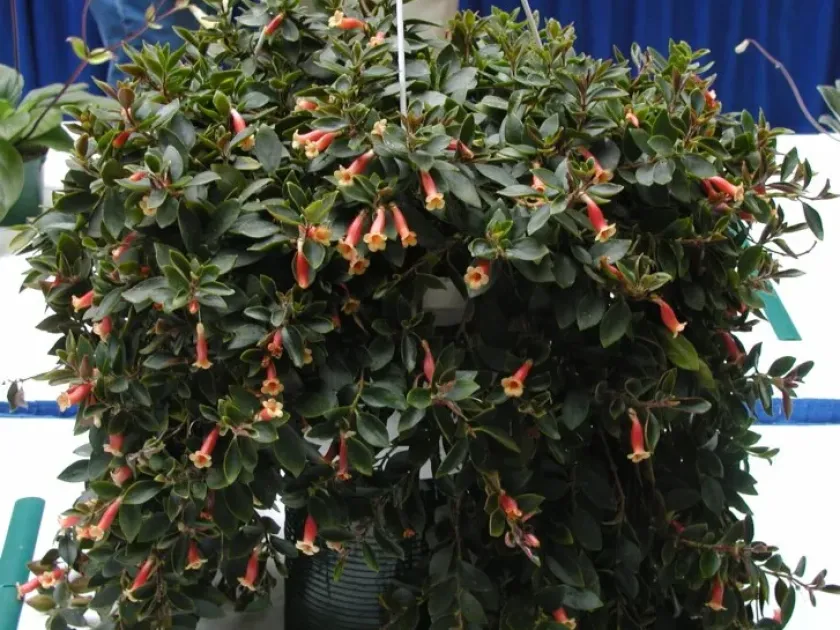
Description
Growing requirements
Codonatanthus is a rare hybrid genus resulting from the cross-breeding of members of the Gesneriaceae family, specifically the genera Codonanthopsis and Nematanthus.
As an epiphyte, this plant has specific requirements for its growing conditions: it needs a light, well-aerated substrate, typically consisting of a mix of sphagnum moss, coniferous bark, and perlite.
For successful development, the crop requires diffused light, as direct sunlight can cause burns on its succulent leaves. The optimal temperature range for growth is between +20°C and +25°C.
Air humidity plays a critical role: Codonatanthus prefers high humidity levels (above 60%), making it well-suited for cultivation in terrariums or specialized greenhouse environments.
Watering should be regular but moderate, using soft, settled water to prevent substrate salinity and damage to the root system, which is extremely sensitive to waterlogging.
Main diseases and pests
The primary pests for this crop include mealybugs and spider mites, which multiply rapidly in low-humidity conditions.
A frequent problem arising from improper watering is root rot, caused by the development of fungal pathogens in overly saturated substrates.
For prevention, it is necessary to regularly inspect the leaf axils and the undersides of the leaves for the presence of insect colonies.
If pests are detected, it is recommended to use biological insecticides or gentle chemical agents approved for indoor ornamental plants.
Fungicides should only be applied in cases of visible fungal infection symptoms, and it is crucial to ensure additional ventilation to facilitate drying of the substrate.