
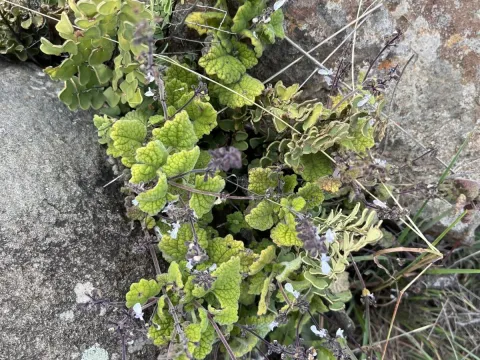
Coleus forskohlii
Coleus forskohlii
Coleus forskohlii, taxonomically known as Plectranthus barbatus, is typically propagated through stem cuttings to ensure genetic uniformity of the crop. Planting in the field commences only after all risks of frost have passed and soil temperatures have stabilized sufficiently for root development.
What the section contains
Coleus forskohlii
Nursery propagation is a standard practice, where cuttings are rooted in controlled greenhouse conditions for several weeks before transplantation. This method significantly increases the survival rate and provides a head start for the plant during the growing season.
The spacing between plants must allow for extensive lateral branching, as the species tends to form dense, wide mounds. A typical planting density involves rows spaced about 60 centimeters apart, with individual plants set at 40-centimeter intervals within each row.
Adequate soil preparation is essential prior to planting, including the incorporation of well-composted organic matter to enhance soil structure. Proper moisture management immediately post-transplantation is crucial to prevent dehydration of the young root systems.
When selecting a planting site, growers should prioritize locations that offer full sun to partial shade, which optimizes the accumulation of forskolin in the roots. Proper site selection at the beginning of the cycle significantly reduces the need for supplemental interventions later.
This crop thrives in warm tropical and subtropical climates, requiring consistently warm temperatures for maximum growth. The ideal temperature range for metabolic activity spans between 20 and 30 degrees Celsius, with growth slowing significantly if temperatures drop.
Soil requirements for Coleus forskohlii are quite specific; it favors fertile, well-draining soils with a slightly acidic to neutral pH. Loamy or sandy-loam soils are preferred as they allow for healthy root expansion and discourage waterlogging which can be lethal.
Regular irrigation is vital due to the large, transpiring leaf surface area of the plant. However, water management must be precise, as stagnant water in the root zone is the primary cause of root rot in commercial plantations.
Fertilization schedules should be split, focusing on nitrogen for the initial vegetative growth phase and transitioning to phosphorus and potassium to promote root development in the latter half of the season. Balanced nutrition is key to maximizing root biomass.
Maintaining a weed-free environment is critical during the first two months of growth. Because the plants are initially slow to cover the ground, manual weeding or careful mechanical cultivation between rows is necessary to prevent nutrient competition.
Pests such as spider mites and mealybugs represent significant threats to the foliage of Coleus forskohlii. These sucking insects can rapidly proliferate, causing leaves to yellow and curl, which directly impacts the plant's overall photosynthetic capacity.
Aphid infestations are also common, particularly on the soft apical meristems of the plant. Regular field scouting and the use of integrated pest management strategies are recommended to maintain healthy plant populations without compromising crop quality.
Fungal pathogens, particularly those causing root rots, are the most devastating threats in poorly drained environments. Early symptoms often include wilting and leaf chlorosis, indicating that the vascular system is being compromised by soil-borne fungi.
Powdery mildew may occur during periods of high humidity and limited air circulation within the canopy. Improving plant spacing and ensuring good ventilation are effective cultural methods to minimize the risk of such fungal diseases.
Root-knot nematodes can also affect the crop if the same plot is used repeatedly over several years. Implementing a rigorous crop rotation cycle helps manage nematode populations and improves overall soil health for future planting seasons.
Harvesting Coleus forskohlii involves the strategic extraction of the roots, which contain the valuable active compound forskolin. The operation typically takes place 6 to 8 months after planting, when the plant has reached peak physiological maturity.
Mechanical harvesting must be handled with care to prevent excessive breakage of the fibrous root system. Tools should be adjusted to lift the entire root mass gently from the soil, ensuring maximum recovery of the valuable biomass.
Immediately following the harvest, the roots undergo cleaning to remove all soil and debris. Washing should be performed with potable water to ensure that the final raw material meets safety and hygiene standards for pharmaceutical processing.
Drying is a critical post-harvest step; the roots must be dried at controlled, low temperatures to preserve the chemical stability of the active components. High-heat drying can lead to the degradation of the forskolin content, rendering the harvest useless.
Once dried, the product is packaged in moisture-proof, light-shielded containers to maintain its integrity during storage and transport. Constant monitoring of moisture levels ensures the quality remains consistent until the material reaches the processing facility.