
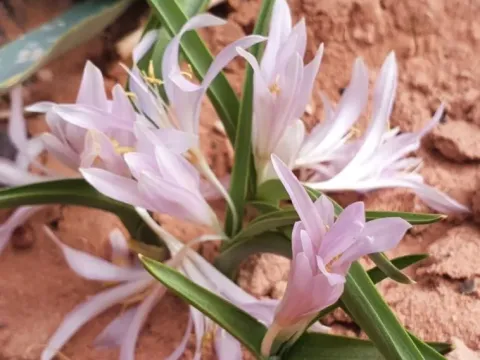
Colchicum ritchii
Colchicum ritchii
Colchicum ritchii is a member of the Colchicaceae family, recognized as an ephemeral plant with a distinct biological cycle. Planting is best performed in late summer or early autumn before the roots initiate their active growth phase.
What the section contains
Colchicum ritchii
The bulbs should be planted at a depth of 10 to 15 centimeters, depending on their size and the soil texture. Proper spacing of approximately 20 centimeters between plants is essential to ensure adequate airflow and prevent overcrowding during the growing season.
While seed propagation is possible, it is rarely used commercially due to the extended juvenile period, often taking several years for the plants to reach maturity. Seeds require cold stratification to mimic natural winter conditions and improve germination success.
The optimal time for dividing bulb clumps is during the summer dormant phase when the foliage has fully withered. This allows for safe propagation without disturbing the plant's metabolic activity or damaging the dormant root system.
For high-yield production, the use of certified, disease-free planting material is recommended. Ensuring the soil is well-prepared and free from weeds at the time of planting provides the necessary foundation for healthy crop development.
This crop requires sunny locations, as exposure to light is vital for the physiological processes and the accumulation of specialized compounds within the bulbs. Shaded environments tend to result in stunted growth and lower yield.
Soil requirements involve well-drained, fertile substrates with a neutral to slightly alkaline pH. If the soil is too heavy, the addition of sand or organic amendments is necessary to improve drainage and prevent root rot.
The climate should be moderate, characterized by a distinct seasonal rhythm that matches the plant's natural dormancy and growth cycles. Excessive summer heat or moisture can be detrimental, potentially causing the bulbs to rot or deplete their energy reserves.
Water management is critical: consistent moisture is required during the active spring growth, but complete dryness is essential during the summer dormancy. Poor drainage during the rest period is the leading cause of crop failure.
Balanced fertilization focusing on phosphorus and potassium is advised to strengthen the bulbs before they enter their dormant state. High nitrogen levels should be avoided, as they promote excessive foliage growth at the expense of bulb vitality.
Fungal diseases, particularly grey mould (Botrytis), pose a major threat to the crop, especially in conditions of high humidity. Proactive sanitation and avoiding overhead irrigation are the primary methods of preventing the spread of these pathogens.
Slugs and snails can cause significant damage to the emerging spring foliage, which in turn reduces the energy stored by the bulb. Implementing barrier methods or traps is effective in reducing the pressure from these pests during the early growing season.
Viral infections may occur, often transmitted through shared tools or insect vectors. Infected plants show distinct symptoms such as leaf mottling and floral distortion and must be removed and destroyed to protect the remaining crop.
Soil-dwelling larvae can feed on the bulbs, creating entry points for secondary bacterial or fungal infections. Pre-planting soil treatments or using clean, cultivated land helps mitigate the risks posed by underground pests.
Maintaining a structured crop rotation schedule is vital for sustainable management. By avoiding planting in the same location for at least five years, farmers can effectively manage the soil-borne pathogen load and maintain plant health.