
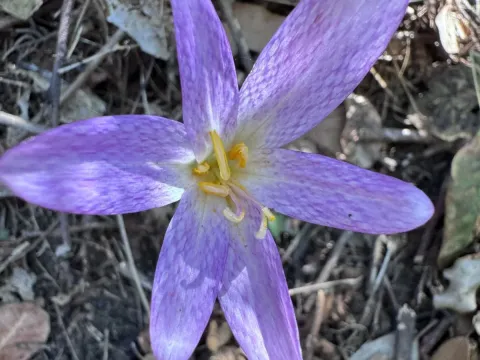
Colchicum lusitanum
Colchicum lusitanum
Colchicum lusitanum is primarily propagated vegetatively by dividing clumps of corms. The most suitable time for planting or transplanting is during the summer dormancy period, typically between July and August, once the above-ground foliage has completely withered.
What the section contains
Colchicum lusitanum
Planting depth should be determined based on the size of the corms and the soil texture. Generally, they should be buried 10 to 15 centimeters deep, ensuring a spacing of approximately 20 centimeters between individual plants to allow for healthy growth and proper airflow.
Seed propagation is less common due to the long timeframe involved. Seeds are sown immediately after harvesting in well-drained soil, though it is important to note that flowering from seeds typically occurs only several years after germination.
For successful establishment, maintaining optimal substrate moisture during the first few weeks after planting is essential. The soil must be loose enough to allow the roots to develop comfortably during the autumn before the onset of freezing temperatures.
In both professional and home garden settings, it is advisable to rotate planting sites to avoid areas previously occupied by other bulbous species, which helps reduce the risk of soil-borne pathogens affecting the new corms.
Colchicum lusitanum belongs to the Colchicaceae family and has specific habitat requirements. The plant thrives in open, sunny locations, although it can tolerate light shade in regions with particularly intense sunlight and hot summers.
The ideal growing medium consists of loamy, humus-rich, and well-draining soil. It is critical to avoid waterlogging, as excessive moisture during the dormant stage leads to corm decay and the eventual death of the specimen.
While the plant exhibits moderate drought tolerance due to its unique biological cycle, adequate moisture during the spring and early autumn is necessary for the development of flower stalks and the storage of nutrients within the corm.
The optimal soil pH range is slightly acidic to neutral. If the native soil is too heavy, structure can be improved by incorporating horticultural sand or mature compost to facilitate better drainage and aeration.
Adapted to Mediterranean climates, this species prefers mild conditions. In colder climates, it may require winter protection, such as mulching, to shield the corms from deep freezes if there is an insufficient snow cover.
Fungal diseases, often triggered by waterlogged conditions, are the primary threat to the health of the plant. Gray mold is particularly common and can rapidly degrade corm tissues, leading to total plant failure if left unaddressed.
Slugs and snails are the most significant pests, often consuming foliage and petals during wet weather. Control measures include manual collection, the use of organic barriers, or the application of selective molluscicides if necessary.
Damage to the corms by wireworms or white grubs can weaken the plant, making it more susceptible to secondary infections. Regular soil cultivation and monitoring are effective ways to manage these subterranean pest populations.
All parts of the plant, including seeds and corms, contain the alkaloid colchicine, making them highly toxic to both humans and animals. While this inherent toxicity deters many pests, it requires strict safety precautions during handling and maintenance.
Preventive maintenance involves careful inspection of corms before planting, the removal of any damaged or soft specimens, and, if signs of infection appear, the application of appropriate systemic fungicides to prevent further spread.