
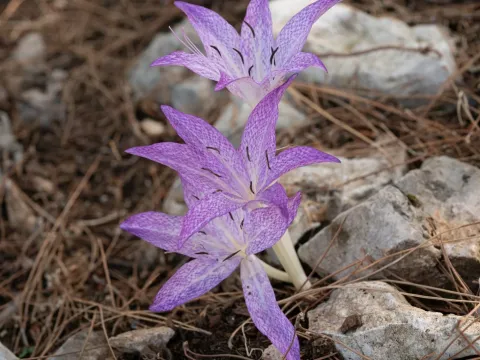
Colchicum macrophyllum
Colchicum macrophyllum
Colchicum macrophyllum is a perennial cormous plant belonging to the Colchicaceae family. Native to the Eastern Mediterranean region, specifically regions of Turkey and various Aegean islands, it is a fascinating species adapted to Mediterranean climate patterns.
What the section contains
Colchicum macrophyllum
The plant thrives in well-drained, nutrient-rich soils with a neutral or slightly alkaline pH. Drainage is the most critical factor in its successful cultivation, as the corms are prone to rot if exposed to excessive moisture during their dormancy in the summer months.
Its growth cycle is distinct: broad, large leaves emerge in the spring and wither away by early summer. The flowers typically bloom in the autumn, often appearing from bare soil, creating a striking visual contrast in the garden landscape.
Positioning the plant in full sun or partial shade is recommended for healthy development. While it is relatively drought-tolerant once established, providing supplemental water during its active spring growing season can enhance the vigor of the plant.
In terms of economic utility, Colchicum macrophyllum is primarily cultivated as a specialized ornamental or a botanical curiosity. Due to the presence of colchicine, all parts of the plant are highly toxic, which necessitates careful handling and restricted use in domestic or agricultural settings.
Fungal diseases such as grey mold (Botrytis) represent a primary threat to the health of the corms, especially when high humidity levels coincide with cooler temperatures.
Pests such as bulb flies and wireworms can cause significant damage by tunneling into the corm, which often leads to secondary infections and the death of the plant.
Gastropods, including slugs and snails, are frequent visitors that graze on the succulent spring foliage, potentially causing severe defoliation and weakening the bulb for the following season.
Viral infections can cause mottled foliage and stunted growth, necessitating strict sanitation practices, including the sterilization of tools and the removal of affected specimens.
Effective management involves maintaining proper soil aeration and monitoring the plantation for early signs of pest activity to prevent widespread infestation and crop loss.