
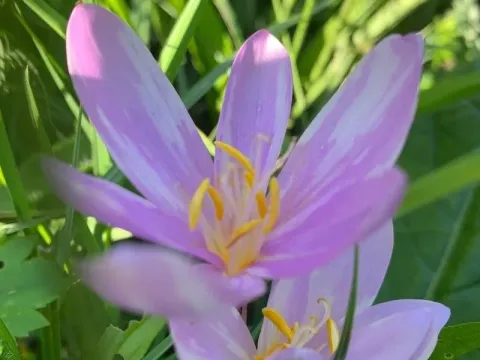
Colchicum multiflorum
Colchicum multiflorum
Planting of Colchicum multiflorum is best performed in late summer, specifically in August or early September. This timing allows the corms to establish their root systems while the plant is in its natural dormant phase.
What the section contains
Colchicum multiflorum
The corms should be planted at a depth of approximately 10–15 cm, ensuring they are spaced 15–20 cm apart to prevent overcrowding. Proper spacing is essential for air circulation, which reduces the risk of fungal infections.
While seed propagation is possible, it is not recommended for immediate results, as the seedlings may take up to seven years to reach their first blooming cycle. This method is primarily used for hybridization programs.
Vegetative propagation via corm division is the standard agricultural practice. Dividing the clumps every 3 to 5 years helps maintain plant vigor, prevents nutrient exhaustion, and ensures consistently large flowers during the autumn season.
When selecting a site, prioritize well-drained locations that receive adequate sunlight. Although these plants can tolerate partial shade, exposure to consistent sunlight helps in the maturation of the foliage in the spring, which is vital for the next year's bloom.
Colchicum multiflorum belongs to the family Colchicaceae and thrives in nutrient-rich, loamy soils that possess excellent drainage. It is crucial to avoid heavy clay soils that retain excessive moisture during the dormant summer period.
Watering requirements are specific: the soil should be kept moderately moist during the spring growth phase, but it must be allowed to dry out significantly during the summer months when the plant is essentially resting underground.
Fertilization should be balanced, focusing on organic compost or well-rotted manure applied in the spring. Supplementary potassium and phosphorus applications before the flowering stage can enhance the structural integrity of the blooms.
This species is highly cold-hardy, adapting well to various temperate climates. It does not require artificial winter protection, provided that the soil is not prone to deep freezing combined with high moisture levels which could heave the corms.
Safety is a major requirement due to the high colchicine content in all tissues of the plant. Harvesters and gardeners must wear protective gloves during handling, as the plant is toxic to humans and pets if ingested or handled improperly.
Harvesting of corms for medicinal or propagation purposes occurs during the plant's true dormancy, after the foliage has naturally withered and turned yellow in mid-summer.
Once lifted from the soil, the corms should be cleaned of loose debris and left to cure in a dry, shaded environment with optimal airflow. Direct sunlight should be avoided during the curing process to prevent the outer scales from cracking.
Storage requires a cool, dry environment with good ventilation. Maintaining a stable temperature is necessary to prevent premature sprouting or the development of mold, which is a common threat to stored bulbs.
The plant is highly valued for pharmaceutical extraction of colchicine. Professional harvest protocols require specialized equipment and adherence to toxic chemical handling regulations to ensure the safety of the workforce.
Prior to replanting or market distribution, the harvest must be inspected for physical damage or signs of rot. Discarding any compromised material is standard procedure to prevent the spread of soil-borne pathogens in the production area.