
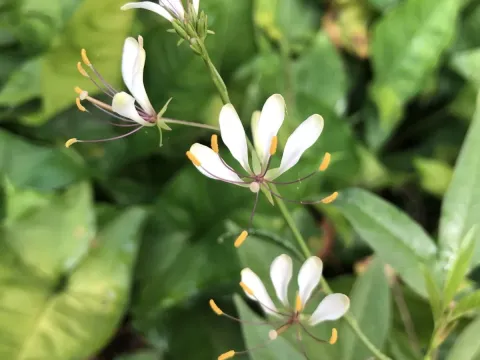
Cleome serrata
Cleome serrata
Sowing Cleome serrata should be performed during the spring season once the soil has sufficiently warmed up. Late April or early May is generally considered the optimal time for outdoor planting in most temperate climates.
What the section contains
Cleome serrata
For those aiming for earlier blooms, starting seeds indoors in trays 6–8 weeks before the last frost date is highly recommended. Seeds generally require a warm environment, ideally between 20°C and 25°C, to achieve high germination rates.
Seeds should be sown at a shallow depth of approximately 0.5 to 1 centimeter. It is crucial to maintain consistent surface moisture until seedlings emerge, as the seeds are sensitive to desiccation during the initial sprouting phase.
When transplanting seedlings to the garden, ensure a spacing of at least 30–40 centimeters between individual plants. This spacing prevents overcrowding and ensures that every plant receives adequate sunlight and airflow for healthy development.
Seedlings need protection from extreme wind and cold during the first few weeks post-transplant. Gradual acclimatization or hardening off is necessary to ensure the young plants can withstand the outdoor environment successfully.
Cleome serrata thrives in sunny, well-lit locations. It is a heliophilic species that requires full exposure to direct sunlight for at least 6–8 hours daily to produce its characteristic floral displays and robust stems.
The ideal soil for this crop is a light, well-draining, and nutrient-rich medium. While it can adapt to various soil types, avoid heavy clay or waterlogged areas, as these promote root rot and inhibit nutrient absorption.
Although the plant shows moderate drought tolerance, regular watering is essential for maintaining aesthetic quality and preventing premature wilting. Water deeply at the base to encourage deep root growth rather than shallow, frequent watering.
Fertilization should be balanced; excessive nitrogen can lead to rapid, leggy stem growth at the expense of flower production. Applying a potassium-rich fertilizer during the budding stage will significantly enhance flower quality.
Optimal growth occurs in warm temperatures with low humidity. High heat and humidity can sometimes lead to physiological stress, so ensure that the planting area is located in a spot with good natural air circulation.
Aphids are the primary pest concern for Cleome serrata, often congregating on the undersides of leaves and the tender growing tips. They extract phloem sap, which can stunt the plant's overall development and attract secondary pests.
Powdery mildew represents a significant fungal threat, especially in humid conditions or crowded garden beds. It appears as a white, powdery coating on foliage, which restricts photosynthesis and weakens the plant's vitality.
Root rot is common in poorly drained soils. Symptoms include yellowing leaves and a general wilting despite adequate watering. Prevention involves improving soil structure through the addition of organic matter or perlite.
Integrated pest management strategies are recommended, including the use of neem oil or insecticidal soaps to manage early aphid outbreaks without disrupting local pollinator populations.
To mitigate the risk of fungal infections, it is vital to avoid overhead watering. Keeping the foliage dry and thinning out plants to improve airflow are effective cultural controls that minimize the incidence of disease.