
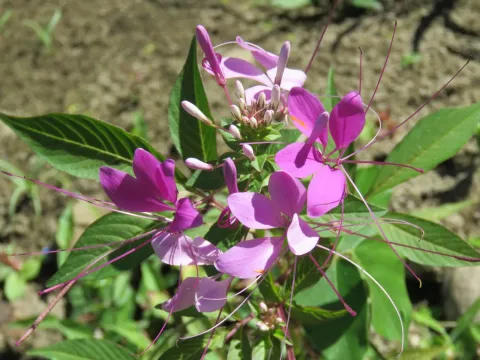
Cleome speciosa
Cleome speciosa
Cleome speciosa is a thermophilic annual plant that requires a seedling method of cultivation in temperate climates. Seeds should be sown indoors in late February or March to ensure strong plant development before transplanting.
What the section contains
Cleome speciosa
Use a light, nutrient-rich soil mix with a neutral pH level. Sow seeds about 1 centimeter deep and keep them in a temperature range of +20°C to +22°C. Germination usually occurs within two to three weeks under optimal conditions.
Pricking out the seedlings should be done after the first pair of true leaves appears. Providing individual pots for each seedling helps in building a robust root system before the plants are moved to their permanent location outdoors.
Transplanting to the garden must occur only after the danger of frost has passed, typically late May or early June. The soil must be sufficiently warm to promote rapid establishment of the root system in the new site.
Space the plants approximately 40 to 50 centimeters apart. Proper spacing is essential to ensure adequate airflow, which is critical for the overall health of the plant and for preventing the development of fungal infections.
Belonging to the Cleomaceae family, Cleome speciosa demands full sun to thrive. Choosing a location that receives direct sunlight throughout the day is the most important factor for achieving a profuse and healthy bloom.
The soil should be fertile, loose, and well-drained. This plant is extremely sensitive to waterlogging; therefore, avoid low-lying areas where water tends to pool, as stagnant water is fatal to its root system.
Watering should be regular yet moderate. During periods of severe drought, the plants need more water, but ensure that the soil dries out slightly between waterings to prevent root decay. Over-watering is a common mistake in cultivation.
Prepare the site by incorporating organic matter like compost or well-rotted manure during autumn preparation. During the growing season, apply balanced mineral fertilizers to support continuous development of the stems and flower heads.
- Optimal pH: 6.0–7.0
- Light Requirement: Full sun
- Fertilization: Balanced NPK fertilizer
In the context of ornamental gardening, the yield of Cleome speciosa is measured by the duration of the blooming period and the overall floral display. With proper care, the plant will produce consistent blooms throughout the summer season.
To maximize the number of blossoms, it is necessary to deadhead or remove spent flower clusters promptly. This prevents the plant from entering the seed-production phase prematurely and encourages the development of new buds.
A well-maintained specimen can reach heights of 1 to 1.5 meters. The yield of flowers is directly related to soil fertility and the plant's ability to access consistent moisture without becoming waterlogged.
Seed harvesting should be performed in autumn when the pods turn brownish. It is vital to collect them before the pods shatter, as the plant can spread quite easily through self-seeding if conditions are favorable.
Proper management ensures that the plant remains a striking focal point in the garden until the first autumn frosts. Cleome speciosa is renowned for its high productivity in terms of individual flower clusters produced per plant.
Cleome speciosa is generally resistant to many common pests due to the chemical composition of its foliage, which contains essential oils. This makes it a beneficial plant to have near vegetable gardens as it may deter certain pests.
However, if the environment is too humid or air circulation is poor, aphids may infest the plant. In such cases, systemic insecticides or gentle soap-based sprays are effective in controlling the population.
Root rot is the most serious threat, usually caused by improper soil drainage and excessive moisture. Prevention is the key, which involves ensuring the soil is light and avoiding deep, water-retaining clay soils.
Powdery mildew may occur during periods of high humidity and cooler temperatures. Treat this condition with sulfur-based fungicides or appropriate biological control agents to prevent the spread of the fungus to adjacent plants.
Maintaining a weed-free area around the base of the plants is essential. Weeds can harbor pathogens and pests that threaten the vitality of the Cleome, so regular light hoeing is recommended to keep the area clear.