
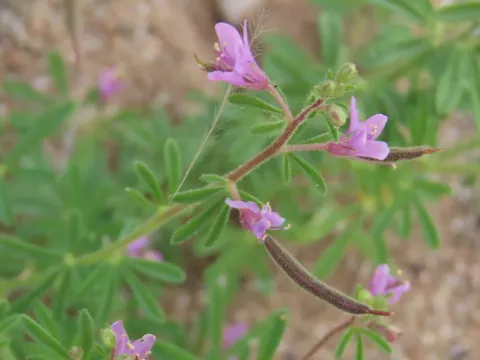
Cleome rubella
Cleome rubella
Cleome rubella requires a warm climate to thrive, so the sowing process typically begins in late winter or early spring using indoor trays. Providing stable temperatures between 20 and 22 degrees Celsius is essential for achieving high germination rates within the first two weeks.
What the section contains
Cleome rubella
The seeds should be sown shallowly, as they require light to germinate properly. It is recommended to press them lightly into a sterile, moisture-retentive seed-starting mix, ensuring the surface remains slightly damp throughout the entire germination phase under a transparent cover.
Once the seedlings have developed their first set of true leaves, they should be carefully pricked out into individual pots. Handling the roots with care is crucial, as this species is sensitive to disturbance and may experience transplant shock if the root ball is damaged.
Hardening off the seedlings is a mandatory step before transplanting them into the open ground. Gradually exposing the plants to outdoor conditions over a period of seven to ten days prepares them for the transition and reduces stress caused by direct sunlight and wind exposure.
When choosing a site for final planting, ensure the location is free from the risk of frost. Cleome rubella prefers a site with excellent drainage and full exposure to sunlight, which is necessary for the development of healthy, upright stems and vibrant floral displays.
This crop thrives best in locations that receive full sun for at least six to eight hours per day. Insufficient sunlight will lead to spindly growth and a significant reduction in the number of flowers produced, undermining the ornamental value of the planting.
The soil should be light, well-draining, and moderately fertile to accommodate the plant's growth habit. Avoid planting in heavy clay soils, as these tend to retain too much moisture, which is detrimental to the plant and often results in root rot and poor development.
Consistent moisture is required for the plant's health, particularly during dry spells in the summer. However, it is important to water at the base of the plant rather than overhead, as keeping the foliage dry helps prevent the onset of various fungal infections that flourish in damp conditions.
Fertilizing with a balanced liquid fertilizer during the growing season will support continuous blooming. Incorporating organic matter, such as well-rotted compost, into the soil prior to planting provides a steady release of nutrients that benefits long-term growth and plant vigor.
Wind protection is an essential aspect of managing Cleome rubella. Due to the height and structural nature of the stems, planting them in a sheltered area or providing structural support helps prevent physical damage from gusts that could topple or snap the delicate flower stalks.
Powdery mildew is a common concern for Cleome rubella, appearing as a white, dusty layer on the leaves. This fungus thrives in environments with poor air circulation, making proper spacing between individual plants a vital strategy for long-term health and disease prevention.
Root rot is another significant threat, typically caused by overwatering or poor soil drainage. If the leaves begin to yellow or wilt unexpectedly despite adequate moisture, checking the soil for waterlogging and treating the plant with systemic fungicides may be necessary to save the crop.
Pests like aphids and spider mites frequently target the tender shoots and undersides of leaves. These insects can quickly sap the plant of energy, leading to deformed growth and stunted flowering if the infestation is not addressed immediately with appropriate insecticide treatments.
Biological control methods, such as introducing beneficial insects, can be an effective way to manage pest populations in an eco-friendly manner. Regular monitoring of the foliage for signs of insect activity allows for prompt intervention before an infestation becomes widespread and difficult to control.
Sanitation practices, such as removing fallen leaves and spent flower heads, help minimize the buildup of fungal spores and overwintering pest populations. Maintaining a tidy growing environment is one of the most effective agronomic tools for ensuring a productive and healthy plant cycle.