
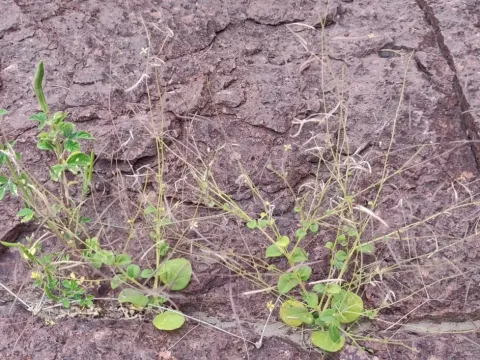
Cleome scaposa
Cleome scaposa
Cleome scaposa is a drought-adapted plant that thrives when direct seeded into well-warmed soil. The ideal sowing time occurs when all danger of frost has passed and soil temperatures consistently reach 15-18 degrees Celsius.
What the section contains
Cleome scaposa
In commercial cultivation, starting seeds indoors or in greenhouses 6-8 weeks before the planned outdoor planting date is standard practice. This approach allows seedlings to develop a robust root system before encountering the intense heat of the growing season.
Surface sowing is recommended for Cleome seeds, as they require light for germination. Seeds should be covered with only a very thin layer of fine soil or vermiculite and kept moist until the emergence of the first true leaves.
The spacing between plants should be maintained at 30-40 cm to promote healthy plant architecture and proper air circulation. Properly spaced plants are less susceptible to lodging and show better overall development throughout the season.
When sowing directly into the field, ensure the row spacing is at least 50 cm. This provides sufficient room for mechanical or manual weeding, which is vital during the early growth stages of the plant.
As a member of the Cleomaceae family, Cleome scaposa exhibits remarkable xerophytic characteristics. It performs best in well-drained, sandy, or light loam soils with a pH ranging from neutral to slightly alkaline.
Sunlight is the most critical environmental requirement for this species. It demands full sun exposure throughout the day to support vigorous vegetative growth and prolific blooming; even partial shade can negatively impact the plant's structural integrity.
While the plant is highly drought-tolerant once established, supplemental irrigation during the initial vegetative growth phase significantly enhances biomass production. Once matured, the plant can withstand periods of low water availability.
The optimal temperature range for the development of Cleome scaposa is between 20 and 30 degrees Celsius. Extremely high temperatures coupled with high humidity can stress the plant and increase the risk of disease.
Soil structure management, including regular aeration, is essential to prevent water stagnation in the root zone. Proper drainage is the foundation of successful cultivation, as the species is highly sensitive to root asphyxiation in waterlogged soils.
Aphids represent a primary threat to young plants, as they frequently congregate on tender shoots and leaf undersides. Early detection and the application of appropriate contact insecticides are necessary to prevent severe plant stunting.
Spider mites are common in hot and dry climates, where they can rapidly multiply and cause significant yellowing of foliage. Controlling dust and ensuring adequate air humidity around the plants can serve as effective preventive measures.
Powdery mildew often appears during periods of high atmospheric humidity or poor ventilation. Implementing a proper planting density and using sulfur-based fungicides can successfully mitigate the spread of this fungal pathogen.
Root rot, primarily caused by various species of Phytophthora and Pythium, occurs when soil drainage is insufficient. Improving the drainage capacity of the planting site is the most effective long-term strategy for disease prevention.
Leaf miners can cause aesthetic damage to the leaves by creating characteristic winding tunnels. While usually not fatal to the plant, significant infestations require treatment with systemic insecticides or biological controls to maintain the plant's health.