
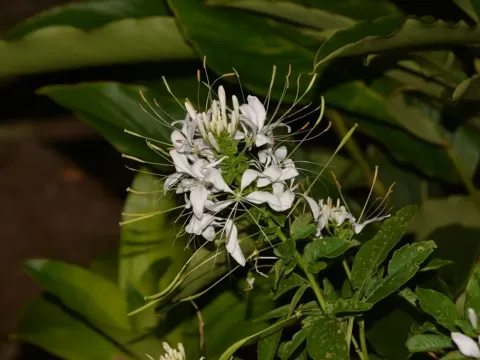
Cleome spinosa
Cleome spinosa
Sowing Cleome spinosa directly in the garden should be done in late spring once all danger of frost has passed, typically in the second half of May. Alternatively, starting seeds indoors is a common practice.
What the section contains
Cleome spinosa
Indoor seed starting begins in late February or early March. Using seed trays and keeping the soil temperature around 20–25°C will significantly improve germination rates of the seeds.
Pricking out seedlings into individual peat pots is recommended as soon as the first true leaves appear. This technique prevents root damage during the final transplanting process to the flower beds.
Transplanting to the permanent site takes place in early June. Adequate spacing of about 40–50 centimeters between plants is crucial to ensure proper air circulation and to prevent overcrowding.
When sowing seeds directly into the soil, cover them lightly with 1–1.5 centimeters of fine soil. Keeping the seedbed consistently moist during the germination period is essential for success.
Cleome spinosa is a sun-loving plant belonging to the Capparaceae family. It thrives in locations that receive full sunlight for at least six to eight hours per day to reach its full potential.
The culture prefers fertile, well-draining, and loose soil. Although it adapts to various soil types, waterlogged conditions must be avoided at all costs to prevent root rot in these plants.
Regular but moderate watering is required throughout the growing season. While the plant shows some drought tolerance, consistent moisture promotes more vigorous vegetative growth and flowering.
Applying balanced mineral fertilizers every two weeks during the active growth phase is highly beneficial. This nutrient supply sustains the plant's rapid development and supports continuous bloom.
Maintaining a weed-free area around the plants is important for optimal development. Gentle hoeing and manual weeding help preserve soil structure and ensure that nutrients remain available to the flowers.
Cleome spinosa is generally a robust plant with high resistance to most common floral diseases. Proper site selection and good drainage are the best prevention strategies against potential infections.
Root rot represents the primary threat if the soil remains excessively wet for long periods. Ensuring appropriate drainage and avoiding overwatering are the most effective management practices here.
Aphids can occasionally infest young shoots and flower buds, sucking sap and causing leaf distortion. Systemic insecticides or insecticidal soaps can be used effectively to manage these pest populations.
Spider mites are potential threats during hot, dry weather conditions. Increasing atmospheric humidity around the plants or applying specific acaricides can control and prevent mite infestations.
Regular scouting of the plants is essential for early detection of pest issues. Timely intervention ensures that the plant remains healthy and aesthetic throughout the entire growing season.