
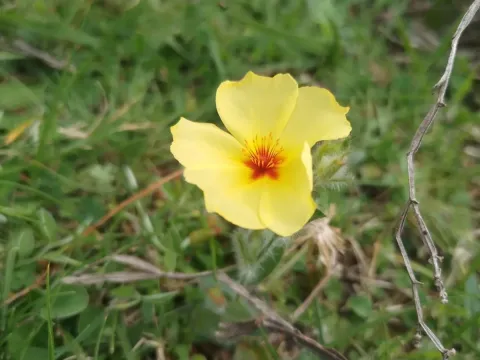
Halimium brasiliense
Halimium brasiliense
Halimium brasiliense belongs to the Cistaceae family and is recognized as a resilient evergreen subshrub. This species, despite its specific botanical name, is well-adapted to Mediterranean-like conditions, thriving in regions with long periods of sunlight and well-drained soils.
What the section contains
Halimium brasiliense
The cultivation of this crop requires full sun exposure to ensure structural integrity and prolific flowering. Planting in shaded areas leads to sparse growth, weak stems, and a significant decrease in the production of blossoms, which are the main aesthetic value of the plant.
Soil requirements are relatively specific: the plant demands excellent drainage. In heavy, compacted, or moisture-retaining soils, the root system is highly prone to rot. Incorporating inorganic materials like sand, perlite, or crushed stones into the planting hole is a standard practice for this crop.
Climate adaptability is limited by the plant's sensitivity to hard frosts. While it performs well in temperate climates, growers in colder regions must provide winter protection or utilize container cultivation, allowing the plants to be moved indoors during extreme cold events.
Agronomic management is minimal, focusing mainly on establishing the plant during its first year. Once fully established, the crop demonstrates impressive drought tolerance, requiring irrigation only during prolonged dry spells to maintain steady growth rates.
The primary threats to Halimium brasiliense involve fungal pathogens related to humidity levels. Excessive watering or poor drainage frequently leads to Phytophthora root rot, which is often fatal and difficult to manage once symptoms become visible on the foliage.
Powdery mildew can occur in stagnant air conditions. Ensuring proper spacing between individual plants and avoiding overhead irrigation can significantly reduce the risk of this fungal spread, preserving the health of the canopy.
Pest pressure is usually associated with sap-sucking insects like aphids, which tend to colonize new growth in early spring. These pests not only weaken the plant but can also act as vectors for various plant viruses if left uncontrolled.
Spider mites are another common pest, particularly during high-temperature and low-humidity cycles. Regular monitoring of the leaf undersides is essential for early detection and efficient control through biological or chemical means.
Sanitation practices, such as removing dead or damaged branches, are crucial for long-term health. By keeping the plant clean and providing adequate airflow, many secondary infections and pest infestations can be prevented entirely.