
Helianthemum ellipticum
Helianthermum ellipticum
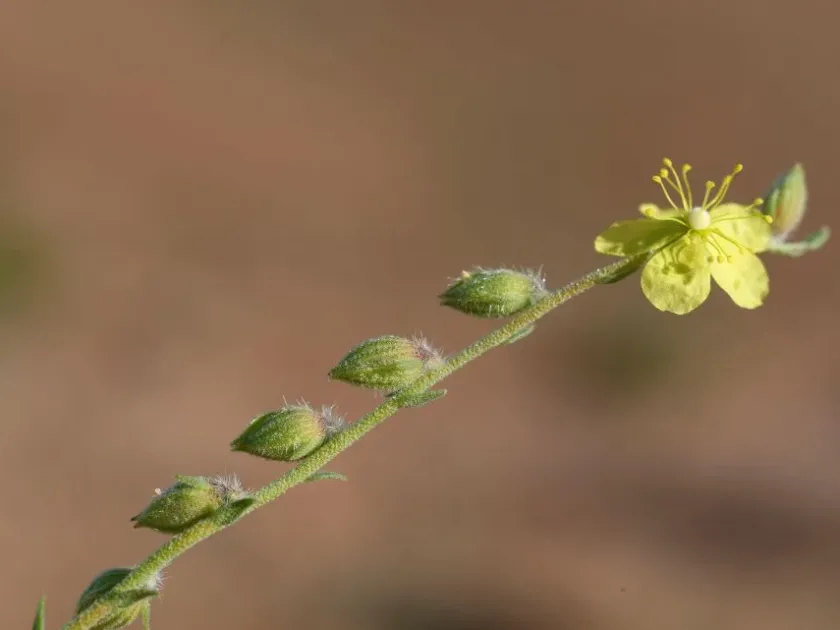
Description
Sowing dates
Sowing seeds of Helianthemum ellipticum in temperate climates is best conducted in early spring, once soil temperatures reach 12–15 degrees Celsius.
For direct outdoor sowing, the optimal period is April or May, allowing seedlings to establish sufficiently before the onset of summer heat.
The seedling method is also viable, involving sowing in greenhouse conditions during March to ensure healthy growth before transplanting into the permanent site.
The seeds require stratification; therefore, autumn sowing in October or November directly into the soil is an effective natural strategy for germination.
When planning the sowing timeline, it is crucial to select sunny locations where soil warms up rapidly following the melting of winter snows.
Growing requirements
Helianthemum ellipticum belongs to the Cistaceae family and is recognized as a xerophyte, naturally adapted to arid and harsh environmental conditions.
The plant demands high levels of direct solar radiation, as shade leads to poor development and significantly reduced flowering intensity.
Well-drained, light soil with a neutral to slightly alkaline pH is essential, as the species is highly susceptible to root decay caused by waterlogging.
In its native habitat, the plant thrives on rocky slopes, making the incorporation of grit, sand, or crushed stone into the soil profile a mandatory practice.
While the species is hardy against cold, it must be protected from excessive moisture during winter months to prevent rotting of the root collar.
Main diseases and pests
The primary concern for this crop is root rot, which typically occurs due to poor drainage management or stagnant water in the root zone.
In high humidity environments, plants may suffer from powdery mildew, necessitating preventative fungicide applications at the earliest signs of infection.
Aphids pose the most significant threat to the plant, infesting tender shoots and flower buds by extracting cell sap and compromising plant vitality.
In cases of poor maintenance or improper ventilation, spider mites can become an issue, particularly during dry and hot summer spells.
Maintaining adequate spacing between individuals is vital to ensure airflow, which significantly reduces the risk of fungal and pest outbreaks.
Harvesting
Seed harvesting is performed once the seed capsules have fully matured, turning a characteristic brown color and becoming dry and brittle.
The harvest should occur during dry weather conditions to prevent moisture accumulation and the subsequent risk of fungal development on seeds.
Post-harvest, the seeds require a drying period in a well-ventilated area before they are cleaned of floral debris and plant particles.
In a landscape or agricultural maintenance context, trimming spent flower stalks is recommended to enhance the bush's structure and promote potential secondary flowering.
Seeds should be stored in paper bags under low-humidity conditions to maintain high viability rates for subsequent planting seasons.