
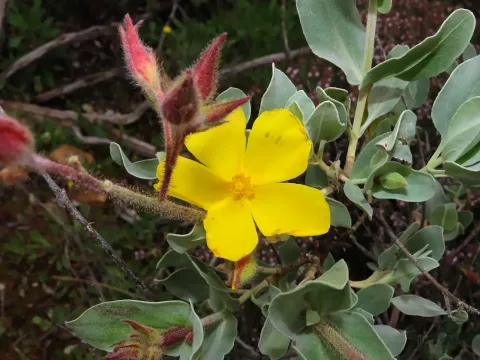
Halimium atriplicifolium
Halimium atriplicifolium
Halimium atriplicifolium is an evergreen shrub belonging to the Cistaceae family, native to the Iberian Peninsula. It is highly valued for its striking silvery-grey foliage and intense yellow blossoms that emerge in early summer.
What the section contains
Halimium atriplicifolium
The species is perfectly adapted to Mediterranean climates, thriving in full sun and rocky, poor, well-draining soils. Providing adequate drainage is the most critical factor for the long-term survival of this plant in any cultivation setup.
Regarding climatic needs, it prefers temperate environments where winter temperatures do not consistently drop below freezing. While it can withstand occasional frost, prolonged exposure to extreme cold or damp winter conditions is detrimental to its health.
Agronomically, the plant requires very little fertilizer; excessive nutrition can lead to weak, leggy growth rather than a compact, robust structure. Minimal intervention is the key to maintaining the plant's natural, dense habit.
Botanically, it exhibits xerophytic adaptations, such as dense leaf indumentum, which helps minimize transpiration. These features make it an excellent candidate for water-wise gardening and arid site rehabilitation.
The primary threat to the health of Halimium atriplicifolium is root rot, typically caused by waterlogged soil conditions. Proper site selection and the incorporation of coarse grit or gravel into the planting hole are essential preventative measures.
Fungal infections, including mildew, may occur during periods of high humidity and poor ventilation. Ensuring proper spacing between individual shrubs is recommended to improve air circulation and reduce the risk of outbreaks.
Insects such as aphids and spider mites can occasionally affect the plant, especially when it is stressed by extreme heat or drought. Regular monitoring and the application of organic insecticidal soaps can manage these populations effectively.
The plant is generally resistant to most common garden pests, provided it is grown in suitable environmental conditions. Stressed plants are significantly more susceptible to opportunistic pathogens, making site preparation the most important factor.
In terms of хозяйственное использование (agricultural/landscape use), it serves as a staple for xeriscaping and rock gardens. Its low maintenance requirements and aesthetic appeal make it a preferred choice for sustainable landscaping in regions with limited water resources.