
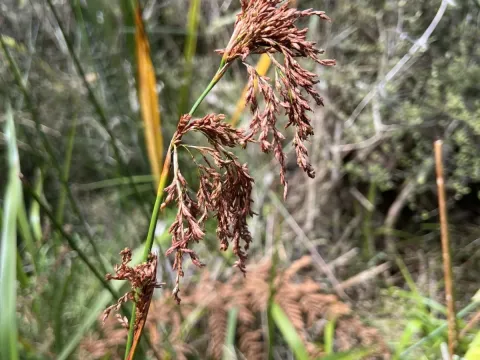
Cladium articulatum
Cladium articulatum
Cladium articulatum is a perennial herbaceous plant belonging to the Cyperaceae family. It is a specialized hydrophyte, predominantly found in tropical and subtropical wetland ecosystems across the Americas, where it thrives in saturated soils and shallow water.
What the section contains
Cladium articulatum
The botanical structure of the plant is defined by its jointed stems, which serve as a unique identification feature. Its leaves are long, rigid, and adapted to withstand the harsh conditions of open water environments while maximizing photosynthetic efficiency.
Regarding climate and site requirements, this species demands consistent water levels and high ambient temperatures. It is sensitive to drought and requires a stable aquatic environment to maintain healthy root system development and vegetative vigor.
Soil requirements for commercial growth involve rich, silty substrates with high organic matter content. Maintaining the appropriate pH balance, typically slightly acidic to neutral, is crucial for the efficient nutrient uptake of the plant.
Cultivation practices must focus on managing the hydrological regime. Proper spacing is essential to ensure adequate sunlight penetration and air circulation throughout the crop canopy, which helps in reducing the incidence of structural decay.
The primary economic utility of Cladium articulatum lies in the harvesting of its robust stems for fiber production. The material is valued for its durability and flexibility, making it ideal for artisanal weaving, production of mats, baskets, and other traditional utility items.
Beyond traditional use, the species has gained attention for its role in bioremediation. Large-scale cultivation in artificial wetlands provides ecological services by filtering water, removing excess pollutants, and simultaneously yielding renewable plant biomass.
Pathogenic threats include fungal infections that tend to proliferate in stagnant or poorly oxygenated water. Proactive monitoring of the base of the stems is necessary to prevent rot and ensure the structural integrity of the harvested material.
Insect pests, particularly those specialized in semi-aquatic habitats, can cause mechanical damage to young shoots. Implementing integrated pest management strategies, such as maintaining water quality and appropriate plant density, is vital for a successful harvest.