
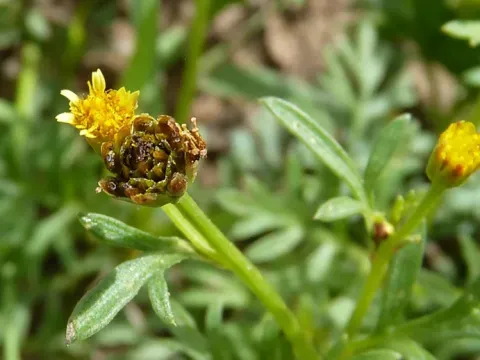
Chrysanthellum americanum
Chrysanthellum americanum
Chrysanthellum americanum is a distinct annual herbaceous plant belonging to the Asteraceae family. It is natively distributed across tropical regions of the Americas and Africa, where it thrives in warm, stable climates.
What the section contains
Chrysanthellum americanum
The crop demands high solar radiation for optimal synthesis of its pharmacological compounds, which are its primary agricultural value. It performs best in well-drained, fertile soil with a slightly acidic to neutral pH level.
The climate requirements include consistent temperatures ranging between 22°C and 28°C. This crop is frost-sensitive; therefore, it is imperative to avoid planting in areas subject to early or late cold snaps.
Water management is critical. While the plant requires regular irrigation to maintain metabolic activity, it is highly sensitive to waterlogging, which quickly causes root suffocation and promotes pathogenic development.
Economically, Chrysanthellum americanum is utilized for its high content of flavonoids and saponins. These extracts are increasingly demanded in the production of hepatoprotective medications and dietary supplements worldwide.
Root rot caused by fungal pathogens is the primary threat to Chrysanthellum crops. These infections are almost always associated with soil compaction or excessive moisture, leading to the rapid deterioration of the root system.
Aphids and spider mites are the most common pests that infest the foliage during periods of heat and drought. These pests cause chlorosis and stunt the growth of the plants, ultimately reducing total biomass yield.
Soil-borne nematodes can become a major issue in fields with repeated cultivation of the same species. Proper crop rotation strategies must be employed to break the life cycle of these harmful organisms.
Weed management is vital during the first four to six weeks of growth, as the plant is slow to establish its canopy. Manual or mechanical weeding between rows is standard practice to prevent nutrient competition.
Sustainable pest management involves prophylactic measures such as seed treatment and the maintenance of soil structure. The goal is to avoid synthetic chemicals to ensure the final herbal product meets the highest purity standards.