
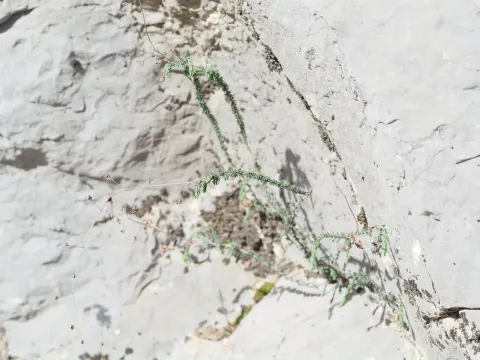
Fumana
Fumana
Fumana is a genus of evergreen subshrubs belonging to the Cistaceae family. These plants are native to the Mediterranean region, Western Asia, and parts of Europe, typically inhabiting rocky slopes and dry grasslands.
What the section contains
 Arabian fumana
Fumana arabica
Fumana bonapartei
Fumana bonapartei
Arabian fumana
Fumana arabica
Fumana bonapartei
Fumana bonapartei
 Fumana ericoides
Fumana ericoides
Fumana ericoides
 Fumana juniperina
Fumana juniperina
Fumana juniperina
 Fumana laevipes
Fumana laevipes
Fumana laevipes
 Fumana laevis
Fumana paradoxa
Fumana paradoxa
Fumana laevis
Fumana laevis
Fumana paradoxa
Fumana paradoxa
 Fumana procumbens
Fumana procumbens
Fumana procumbens
 Fumana scoparia
Fumana scoparia
Fumana scoparia
 Thyme-leaved rock-rose
Fumana thymifolia
Thyme-leaved rock-rose
Fumana thymifolia
Fumana
Botanically, they are known for their slender stems and small leaves, which allow them to thrive in xerophytic conditions. Their yellow flowers are ephemeral, often opening only during the brightest parts of the day.
To cultivate Fumana successfully, it is essential to provide full sun exposure. The plant requires intense light to maintain its compact habit and to produce its characteristic floral display.
The soil must be well-drained and alkaline or neutral in nature. Heavy, waterlogged soils are unsuitable for this genus as they lead to root rot, which is the most common cause of failure in cultivation.
These plants are highly adapted to drought and require minimal irrigation once established. In colder climates, they benefit from a protective layer of mulch to survive winter frosts.
The primary threats to Fumana plants are moisture-related issues, specifically fungal pathogens caused by poor drainage or prolonged periods of high humidity during the rainy season.
Spider mites are the most frequent insect pests, especially in hot, dry environments where the plant's stress levels may increase, making it more susceptible to infestation.
Preventative care is centered on proper site selection. Ensuring excellent soil drainage and adequate air circulation around the canopy are the best ways to mitigate disease risks.
Pruning should be done carefully to remove dead wood and encourage bushy growth, which helps in maintaining the plant's health and vigor throughout the growing season.
Chemical control should be used as a last resort, employing acaricides for mite infestations and appropriate fungicides for fungal issues, while ensuring the chemical is safe for Mediterranean shrub species.