
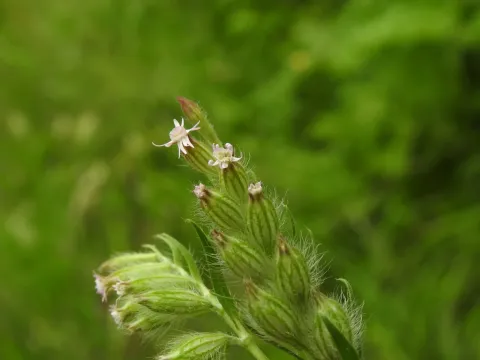
Silene disticha
Silene disticha
Silene disticha belongs to the family Caryophyllaceae, a diverse group of flowering plants known for their structural resilience. This species is native to specific Mediterranean-type climates, where it thrives in well-lit, open areas with moderate precipitation levels.
What the section contains
Silene disticha
Botanically, the plant is distinguished by its unique distichous (two-ranked) leaf arrangement, which allows for optimal solar exposure. The plant typically reaches a modest height, with a branched stem structure that supports small but numerous blossoms throughout the main growth phase.
Soil requirements for this crop focus on high drainage capacity and balanced nutrient composition. It performs best in sandy or loamy soils with a near-neutral pH, avoiding areas prone to waterlogging or compaction, which can impede root expansion and nutrient uptake.
Regarding climate, Silene disticha is well-adapted to environments with clear seasonal cycles. It prefers areas with mild winters and sunny, moderately warm summers. Extreme humidity combined with heat is detrimental, as it promotes physiological stress and susceptibility to pathogens.
Agronomic management involves standard practices such as controlled irrigation and appropriate mineral fertilization. Because the species has specific needs for light and air circulation, maintaining proper spacing between plants is essential for ensuring robust development and high-quality biomass production.
The primary threats to Silene disticha include various fungal pathogens that thrive in damp soil conditions. Root rot and damping-off are the most frequent issues, particularly if drainage systems are insufficient or if the soil moisture levels are not carefully managed.
Insects, particularly aphids and certain coleopterans, can cause damage by feeding on stems and tender leaves. Integrated pest management strategies, such as physical barriers or the introduction of beneficial insects, are recommended to maintain plant health without excessive chemical reliance.
Viral infections may manifest as foliage discoloration or stunted growth. To mitigate these risks, it is essential to source high-quality, virus-free seeds and to implement strict field sanitation protocols that prevent the spread of vectors between growing seasons.
Competition from invasive weeds can significantly reduce yield and vigor. Early-stage weeding is crucial, as the crop is initially slow-growing and requires protection against aggressive vegetation that may overshade it and limit its access to light and nutrients.
Finally, maintaining crop rotation is a vital agronomic practice for Silene disticha. Moving cultivation sites helps disrupt the life cycle of soil-borne pests and fungi, ensuring the longevity and productivity of the agricultural cycle over multiple years.