
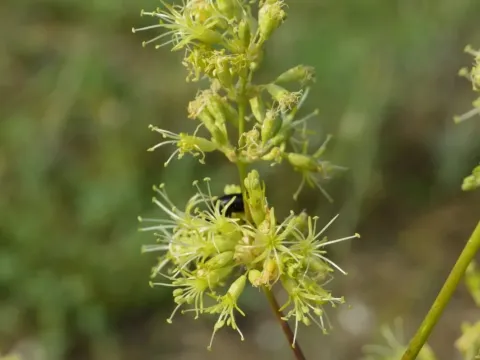
Silene densiflora
Silene densiflora
Silene densiflora is a herbaceous perennial plant belonging to the Caryophyllaceae family. Within agricultural practice, it is recognized for its adaptability to arid steppe environments, serving as a reliable component in diverse pasture and grassland management systems.
What the section contains
Silene densiflora
The plant is native to the steppe and forest-steppe zones of Eurasia. Its botanical architecture is characterized by a strong, deep-reaching root system and erect stems, which allows it to thrive in regions where seasonal droughts are a recurring climatic challenge for other crops.
Success in cultivation requires well-drained, carbonate-rich soils. While the plant can tolerate nutrient-poor substrates, yields significantly increase when phosphorus-based fertilization is applied during the establishment phase, supporting the development of a resilient plant structure.
Optimal growth conditions involve full sun exposure and temperate climates. The plant is highly effective at managing its water balance, which is an evolutionary trait developed to survive in open landscapes with high evaporation rates during the peak of the summer season.
The agro-technological focus should be on weed management during the seedling stage, as growth can be relatively slow initially. Once established, the dense canopy of Silene densiflora suppresses weed competition, allowing the stand to persist over multiple growing seasons.
Common biological threats include fungal pathogens such as leaf spot diseases, which are typically exacerbated by poor field drainage and excessive humidity. Maintaining optimal plant density is the primary cultural strategy to mitigate the risk of infection and preserve overall plant health.