
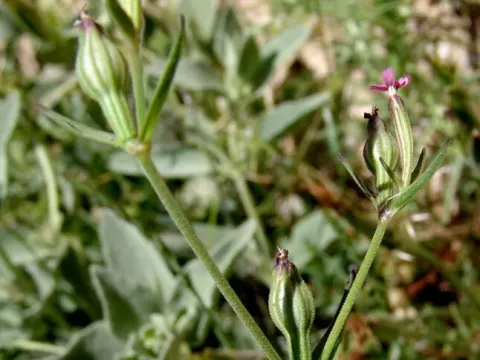
Silene crassipes
Silene crassipes
Silene crassipes belongs to the Caryophyllaceae family and requires careful preparation during the sowing phase. Seeds should be sown in early spring, once the soil has warmed to at least 10 degrees Celsius.
What the section contains
Silene crassipes
For optimal development, place the seeds in a sunny location with high-quality, loose soil. Sow them shallowly, covering only with a thin layer of fine substrate to ensure sufficient light reach, which is often crucial for germination.
Planting density should be managed to ensure adequate ventilation; overcrowding often leads to moisture retention and subsequent fungal problems. A spacing of 20–30 cm between plants is typically recommended.
If started in a nursery, keep the temperature constant between 15 and 20 degrees Celsius. Seedlings are usually ready for hardening off and outdoor transplanting once they develop two or three sets of true leaves.
Mulching the soil around the young plants can help stabilize soil temperature and retain moisture, providing a safer environment for root development during the initial growth stages.
Silene crassipes thrives in well-drained, nutrient-rich soil with a neutral to slightly alkaline pH. The plant is sensitive to waterlogging, so soil texture must be light and breathable to prevent root decay.
Sunlight is a primary requirement. This species performs best in full sun, where the stems remain sturdy and the bloom production is maximized throughout the entire season.
Climate tolerance for this plant is high in moderate conditions. However, in regions with very high humidity or heavy rainfall, extra attention must be paid to drainage systems to avoid soil saturation.
Periodic fertilization using a balanced liquid fertilizer during the peak of the growing season promotes vigorous foliage and healthy stem development. Avoid excessive nitrogen, which can lead to leggy, weak plants.
Irrigation should be consistent but moderate. Allow the top inch of soil to dry out between watering sessions to encourage deeper root growth and increase the plant's overall resilience to heat.
Fungal diseases like powdery mildew are the most common threat, especially in stagnant air conditions. Improving plant spacing and ensuring good airflow are the primary methods for prevention.
Pests such as aphids and spider mites can infest the plants, particularly during dry, hot weather. Regular inspection of the underside of leaves can help detect these problems before they reach critical levels.
Root rot is a significant danger caused by poor drainage. If signs of yellowing leaves appear, the soil moisture must be assessed immediately to adjust the irrigation strategy or improve drainage.
Weed management is vital in the first few weeks of growth. Weeds compete for essential nutrients and water, while also serving as potential reservoirs for pests that can jump onto the crop.
In cases of severe infestation, integrated pest management practices should be followed, utilizing natural predators or targeted, eco-friendly pesticides to protect the crop without harming the local ecosystem.