
Shetland mouse-ear
Cerastium nigrescens
Description
Growing requirements
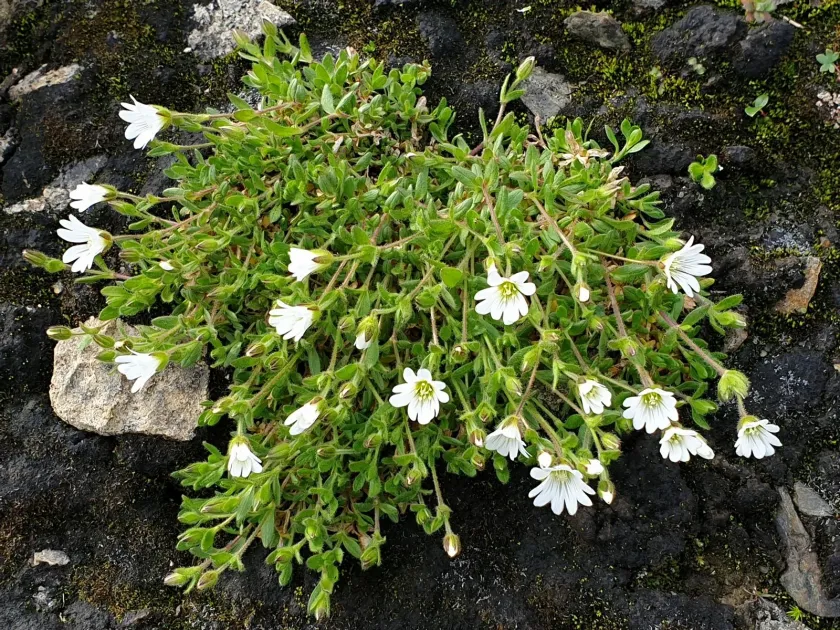
Shetland mouse-ear (Cerastium nigrescens) is a rare perennial herbaceous plant belonging to the Caryophyllaceae family. It is native to the Shetland Islands, where it thrives in cold, windswept environments, demonstrating significant adaptation to rocky and nutrient-poor soils.
The plant is characterized by its prostrate habit and delicate white flowers. It is often considered a botanical treasure, and its growth pattern makes it highly effective as a ground-covering species for specialized landscape designs, such as alpine gardens.
Regarding soil requirements, this species demands well-drained, gritty, or stony substrate. It cannot survive in stagnant water, so incorporating perlite or fine gravel into the planting medium is essential to ensure adequate root aeration and moisture control.
The climate requirements emphasize full sun exposure to semi-shade conditions. The plant is exceptionally winter-hardy but sensitive to high summer heat and humidity, which can lead to fungal issues if the air circulation around the foliage is insufficient.
In horticultural practice, it is utilized primarily for its aesthetic appeal in rockeries. Due to its slow-growing and compact nature, it provides a refined texture to landscape elements that mimic its natural mountainous or coastal habitats.
Main diseases and pests
Root rot is the most significant threat to this species, usually caused by overwatering or poorly drained soil. Maintaining a strict dry-down cycle between watering is critical for preventing the development of these fungal pathogens.
Powdery mildew can occur in stagnant, humid environments where air circulation is restricted. Management involves increasing plant spacing and ensuring that the foliage stays dry, particularly in the evenings after irrigation or rain.
Aphids can occasionally colonize the tips of young shoots. While rarely fatal, they can distort growth and reduce the plant's decorative value. Gentle insecticidal soap treatments are usually effective if applied at the first sign of infestation.
Gastropods, including slugs and snails, are common garden pests that may consume young foliage. Implementing barriers, such as copper tape or crushed eggshells, can protect the plants from damage without resorting to heavy chemical use.
Regular maintenance, including the removal of dead organic material, is necessary to minimize the risk of pests and diseases. Clean cultural practices are the foundation for sustaining a healthy population of Cerastium nigrescens.