
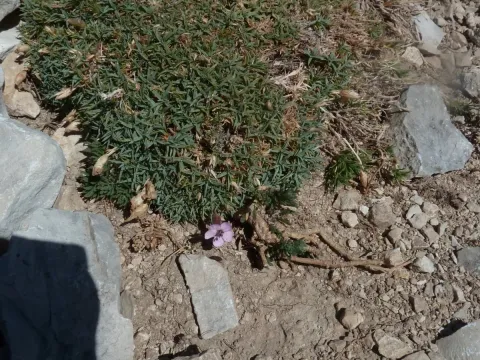
Dianthus subacaulis
Dianthus subacaulis
Sowing seeds of Dianthus subacaulis is best performed during the spring season, typically between late March and mid-April, to ensure proper seedling development.
What the section contains
Dianthus subacaulis
The seeds should be sown in a light, well-draining substrate, barely covering them, as they require light to germinate efficiently. A thin layer of sand helps maintain consistent moisture without suffocating the seeds.
Seedlings usually emerge within two to three weeks under stable temperatures of approximately 18–20 degrees Celsius. Once the first true leaves appear, transplant the seedlings into individual containers.
Transplanting into the permanent garden location should occur after the threat of frost has passed, usually late May. Growth during the first year is typically slow as the plant establishes roots.
Division of established clumps is another viable propagation method, ideally performed in early spring or late summer to ensure successful establishment in the new location.
Dianthus subacaulis belongs to the Caryophyllaceae family and is a resilient, low-growing perennial native to the mountainous regions of Europe.
This species thrives in full sun, requiring maximum exposure to light to maintain its signature compact, cushion-like growth habit and to promote dense flowering.
Soil requirements are strict: the plant needs gritty, stony, and well-draining soil with a neutral to slightly alkaline pH to prevent root issues.
Effective drainage is essential, as the species is highly susceptible to root rot if water remains stagnant around the base, especially during dormant periods.
It possesses excellent cold hardiness, adapting well to harsh alpine conditions, although it requires protection from excessive winter moisture to prevent crown rot.
The primary threats to Dianthus subacaulis are fungal infections, such as root rot, which are often caused by poor drainage and excessive moisture levels in the soil.
While relatively pest-free, the plant can occasionally be affected by aphids or spider mites, particularly during periods of extreme heat or drought stress.
Good air circulation is vital for maintaining plant health, as it prevents the buildup of humidity within the dense foliage that could lead to mold development.
Keeping the surrounding area free of weeds is necessary to prevent competition for resources and to maintain an open, airy environment that discourages pests.
In case of disease outbreak, infected parts should be removed promptly, and appropriate systemic fungicides should be applied to protect the remaining healthy foliage.