
Dianthus trifasciculatus
Dianthus trifasciculatus
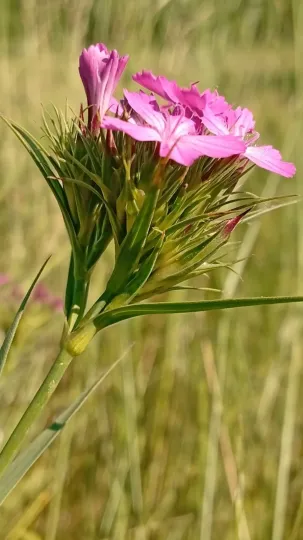
Description
Sowing dates
The sowing of Dianthus trifasciculatus seeds is typically performed in early spring. Starting seeds indoors in late March using a light, well-draining seed-starting mix ensures a higher germination rate.
Transplanting seedlings to the open garden should occur in May once the danger of frost has passed. These plants require gradual acclimatization to direct sunlight before being permanently established in the ground.
Autumn sowing is a viable alternative for regions with milder winters. Seeds can be sown directly into the soil in late September, where they undergo natural stratification during the winter months.
Space the plants approximately 25 to 30 centimeters apart to prevent overcrowding. Adequate spacing is crucial for maintaining healthy growth and ensuring that the foliage remains dry to prevent fungal issues.
Seeds should be sown at a depth of no more than 0.5 to 1 centimeter. Covering them too deeply can inhibit germination, as Dianthus seeds require a small amount of light and consistent moisture to sprout.
Growing requirements
As a member of the Caryophyllaceae family, Dianthus trifasciculatus is a sun-loving plant. It thrives in locations that receive at least six to eight hours of direct sunlight per day to maximize flowering.
The species is highly adaptable to well-drained, neutral, or slightly alkaline soils. It is particularly effective in rock gardens or landscapes where soil drainage is excellent, as it does not tolerate "wet feet."
The plant demonstrates notable drought tolerance once established. However, during periods of prolonged summer heat and drought, providing supplemental irrigation will keep the foliage lush and promote longer blooms.
Soil structure should be sandy or loamy. If planting in heavy clay, it is highly recommended to amend the soil with organic matter and coarse sand to improve drainage and aeration around the roots.
Minimal fertilization is required for this species. A balanced liquid fertilizer applied once in early spring is generally sufficient to support the plant throughout its active growth cycle.
Main diseases and pests
Fungal diseases such as rust and leaf spot are common threats to Dianthus species, especially in areas with high humidity or poor air circulation. Proper plant spacing is the first line of defense.
Pests like aphids and spider mites frequently target the tender new growth of the plant. Monitoring the underside of leaves during the peak of summer is essential for early detection of these populations.
To control pest infestations, horticultural soaps or targeted insecticides may be used. It is best to apply these treatments in the early morning to prevent damaging the foliage with concentrated chemicals.
Sanitation practices, including the removal of dead foliage and spent blooms, help reduce the prevalence of fungal spores. Clearing debris from the base of the plant keeps the environment cleaner and less hospitable to pests.
Avoiding overhead watering is the most effective cultural practice to prevent disease. By applying water directly to the soil, you maintain the foliage's integrity and limit the conditions that favor pathogen growth.