
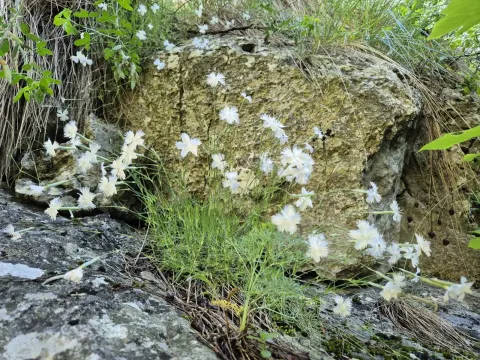
Dianthus spiculifolius
Dianthus spiculifolius
Sowing seeds of Dianthus spiculifolius is typically scheduled for early spring once the soil begins to warm up or during late autumn for winter sowing. For optimal results and early blooming, indoor seed starting in late March using propagation trays is highly recommended.
What the section contains
Dianthus spiculifolius
Seeds should be sown on a light, well-drained substrate and covered only slightly with a thin layer of fine sand or vermiculite. Keeping the substrate consistently moist at a temperature range of 18-20 degrees Celsius ensures successful germination within a couple of weeks.
Seedlings should be pricked out into individual pots once the first true leaves appear, which helps to establish a robust root system. This stage is crucial for ensuring the plants can withstand transplantation and establish themselves quickly in the garden.
Transplanting into the permanent garden site should occur after all risks of frost have passed. Plants must be spaced 20-30 centimeters apart to allow for proper airflow, which is essential to prevent moisture buildup and foliage diseases.
Dianthus spiculifolius belongs to the Caryophyllaceae family and is a resilient perennial herbaceous plant. Its natural hardiness makes it a favorite for rock gardens and borders where it can display its charming, delicate flowers.
Providing full sun exposure is the most critical factor for successfully growing this species. In shaded locations, the stems become weak and leggy, leading to significantly reduced flowering potential and overall plant decline.
This species thrives in lean, well-draining, and gritty soils, which reflects its native alpine habitat. It is essential to avoid heavy, water-retentive clay soils, which can lead to root rot and other moisture-related problems.
Dianthus spiculifolius is highly drought-tolerant once established and does not require frequent irrigation. Watering should only be provided during extended dry spells when the soil has completely dried out, avoiding overhead watering to keep foliage dry.
The plant demonstrates excellent resistance to cold temperatures and high-altitude conditions. In a garden setting, minimal soil cultivation is required, primarily focusing on weed suppression to ensure the plant is not outcompeted for nutrients and sunlight.
Fertilization should be kept to a minimum as excessive nitrogen application promotes weak vegetative growth rather than floral production. A light application of balanced mineral fertilizer in early spring is usually sufficient to support the season's growth.
Root rot is the most common threat to this plant, often caused by waterlogging or poor drainage. Prevention is focused on site selection and ensuring that the soil structure provides adequate aeration for the root system to remain healthy.
Pests like spider mites and aphids can become an issue during hot, dry periods. Regular monitoring and the application of appropriate insecticides or horticultural soaps, if necessary, are effective management strategies for maintaining plant vigor.
Nematode infestations can damage the root system, causing the plant to wither and struggle. Implementing crop rotation and ensuring the use of clean, non-contaminated soil is vital to prevent these persistent soil-borne pests from establishing themselves.
High humidity combined with cool temperatures may lead to rust diseases. Identifying orange or brown pustules on the leaves early allows for the quick removal of infected tissue and the application of systemic fungicides to prevent further spread.
Maintaining a clean garden environment by removing dead plant debris helps eliminate overwintering sites for pathogens and pests. This simple practice significantly reduces the need for chemical intervention throughout the growing season.