
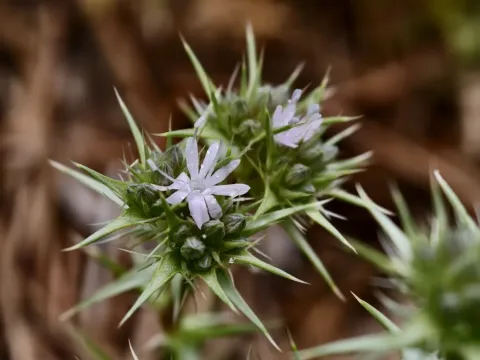
Drypis
Drypis
Sowing Drypis seeds is best accomplished in the autumn, allowing for natural winter stratification to break seed dormancy. Spring sowing is also viable, provided the seeds have been cold-stratified in a refrigerator for at least 6-8 weeks prior to planting.
What the section contains

Drypis
Seeds should be sown on the surface of a well-draining, sandy substrate and covered with a very thin layer of fine grit. Maintaining consistent, light moisture is essential, but the soil must never be saturated, as seeds may rot before germination.
For indoor propagation, seeds can be started in late winter in deep pots to accommodate the plant's developing taproot. Transplanting should be done with extreme care, as Drypis is sensitive to root disturbance once it begins to establish.
Germination typically occurs at temperatures around 15-18°C. Once the seedlings emerge, they should be placed in a very bright, ventilated area to prevent damping-off, a common issue for young Caryophyllaceae seedlings.
Young plants are ready for planting into their permanent location once they develop their first set of true, prickly leaves. Proper spacing of 30-45 cm is crucial to ensure optimal airflow and prevent competition for nutrients.
Drypis is a genus within the Caryophyllaceae family, consisting of hardy perennial plants native to the rocky, arid limestone regions of the Mediterranean and Balkans. It is highly adapted to extreme sun and drought.
The plant thrives in full sun and requires poor, gritty, and calcareous soil to maintain its characteristic dense, cushion-like growth form. Fertile or nitrogen-rich soils are detrimental, leading to soft, elongated growth that lacks aesthetic appeal.
Excellent drainage is the single most important factor for success. On heavier soils, it is necessary to build raised beds or incorporate significant amounts of gravel or coarse sand to prevent water accumulation near the base.
Drypis is exceptionally drought-tolerant once established. Supplemental irrigation should be avoided entirely, except during the initial establishment phase or during prolonged heatwaves, and even then, only in minimal amounts.
No regular fertilization is required. In fact, providing additional nutrients often reduces the plant's lifespan and hardiness. Maintenance is limited to occasional weeding around the base and ensuring the crown remains dry.
The most common threat to Drypis is root rot caused by stagnant water or excessively humid conditions. This is often fatal to the plant, as it progresses rapidly through the taproot system, causing the foliage to collapse.
In hot, dry weather, spider mites can occasionally infest the foliage. While these pests are rarely lethal, they can cause significant discoloration. The use of targeted insecticidal soaps is recommended only if the infestation is severe.
Improper pH levels can hinder development, as this plant prefers neutral to slightly alkaline environments. If the soil becomes too acidic over time, adding lime or crushed limestone to the surrounding substrate can restore balance.
Mechanical root damage from improper hoeing or aggressive weeding can lead to secondary fungal infections. Using a permanent mulch of light-colored gravel effectively manages weeds while protecting the root zone.
During wet winters, the plant is susceptible to crown rot if water collects around the base. Placing the plant on a slight slope or providing a protective barrier against snowmelt can significantly improve survival rates.