
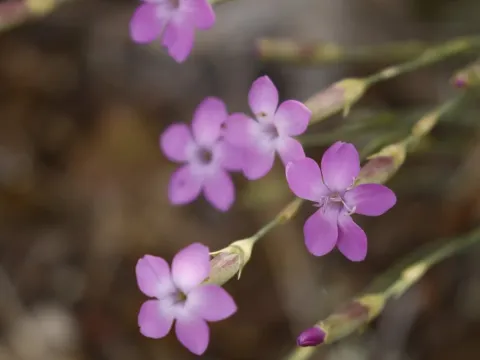
Dianthus pungens
Dianthus pungens
Sowing Dianthus pungens seeds is best done in early spring, from March through April, in a greenhouse environment to ensure controlled conditions. A germination temperature between 18 and 20 degrees Celsius is ideal for establishing strong seedlings.
What the section contains
Dianthus pungens
Once seedlings have developed their first true leaves, they should be pricked out into individual pots to facilitate root system development. This preparation ensures the plants are sufficiently robust for transplanting into the garden later in the season.
Transplanting into the permanent outdoor location should take place once the risk of frost has passed and the soil has warmed up. Spacing the plants at 20 centimeters apart is essential to allow for adequate air circulation and growth room.
Direct sowing in the garden is possible in late May, although this method may delay the flowering stage until the following year. Seeds should be covered lightly with fine soil, as they require a minimal amount of light to germinate effectively.
Maintaining consistent moisture is crucial during the germination phase. Once established, however, the seedlings become more drought-tolerant and require significantly less water as they begin to transition into their mature stage.
Dianthus pungens, a member of the Caryophyllaceae family, is a perennial plant well-adapted to harsh, stony environments. It thrives in well-drained, nutrient-poor soils, making it an excellent candidate for specialized landscaping projects.
The plant requires full sun exposure for at least six to eight hours a day to maintain its compact form and vibrant flowering cycles. In shady areas, the plant tends to become leggy and loses the characteristic prickly texture that gives it its common name.
Soil pH should ideally be neutral or slightly alkaline. If the native soil is too clay-heavy, incorporating grit, sand, or gravel is necessary to mimic the natural scree-like habitat of the plant and prevent root rot.
Dianthus pungens is highly drought-tolerant, meaning it requires minimal irrigation once the root system is established. Over-fertilization should be avoided, as it encourages excessive vegetative growth at the expense of floral development.
This species is perfectly suited for rock gardens, dry walls, and alpine troughs. Its winter hardiness is generally sufficient for moderate climates, though protection from excessive winter moisture is beneficial in wetter regions.
The primary threats to Dianthus pungens are fungal pathogens, specifically those causing root rot, which are triggered by waterlogged soil conditions. Ensuring proper drainage is the most effective preventative measure against these diseases.
If fungal spots appear on the foliage, the affected parts should be removed promptly to prevent further spread. Applying a suitable fungicide may be necessary in high-humidity periods to keep the plants healthy throughout the growing season.
Pests like spider mites and aphids may occasionally infest the plants, particularly during hot, dry spells. These pests weaken the plant by feeding on the sap, causing leaves to yellow and leading to stunted growth patterns.
Regular monitoring of the garden bed is recommended to catch pest infestations at an early stage. If needed, insecticidal soaps or systemic pesticides can be used to control the spread of these unwanted organisms effectively.
Maintaining a weed-free area around the plants is essential for ensuring good air movement, which further reduces the risk of disease. A well-tended and adequately spaced planting layout will significantly decrease the susceptibility of the crop to threats.