
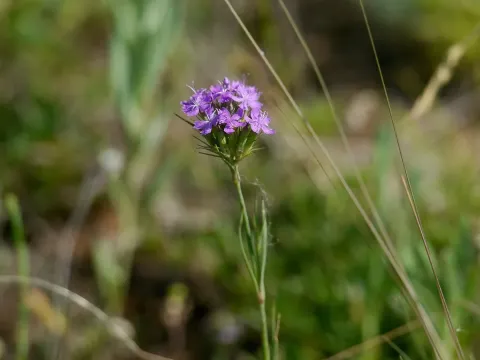
False Armeria pink
Dianthus pseudarmeria
Dianthus pseudarmeria is a perennial flowering plant belonging to the Caryophyllaceae family. It is recognized for its unique appearance, which resembles the Armeria genus, and is native to the Balkan regions, where it thrives in rocky, well-drained environments.
What the section contains
False Armeria pink
The sowing season typically begins in early spring. Seeds should be sown in a well-draining seedbed at a shallow depth of about 1 centimeter to ensure adequate light exposure, which is essential for germination.
For container-grown seedlings, start the process indoors in late winter. Use a light, sterile soil mix with significant amounts of perlite or sand to maintain optimal soil moisture without causing waterlogging.
Once seedlings have developed two sets of true leaves, they should be transplanted into larger containers or moved to the garden bed. Proper spacing of approximately 25 centimeters is required to ensure adequate airflow and root expansion.
Full sun is the primary requirement for the successful development of this species. Partial shade during the seedling phase is acceptable, but adult plants must receive at least six hours of direct sunlight daily to bloom effectively.
The soil must be alkaline or neutral in pH to support healthy growth. Heavy clay soils are generally unsuitable unless amended with organic matter and drainage materials to prevent root suffocation.
As a drought-tolerant plant, it requires minimal irrigation once established. However, during periods of extreme heat or lack of precipitation, supplementary watering should be provided to maintain plant vigor.
Agronomic management includes deadheading, which prevents seed production and redirects the plant's energy toward creating new blooms, thereby extending the overall flowering period throughout the season.
Fertilization should be handled with care. Excess nitrogen causes the plant to become leggy and less attractive. A balanced, slow-release fertilizer applied once in the spring is usually sufficient to support plant health.
Mulching with fine gravel or crushed stone is recommended to keep the base of the plant dry and prevent foliage rot, which mimics the natural conditions of its mountain habitat.
Fungal diseases, particularly crown rot, are the most frequent threats. These issues are almost exclusively caused by excessive soil moisture and poor drainage in the immediate vicinity of the root zone.
Leaf spot infections can also occur during humid summer weather. To mitigate this risk, gardeners should ensure good plant density and avoid overhead watering that keeps the foliage damp for extended periods.
Insect pests such as spider mites and aphids are known to target Dianthus species. They primarily feed on the undersides of leaves and developing buds, causing yellowing and stunted growth.
Systemic insecticides or organic neem oil applications are effective ways to manage pest populations. It is important to monitor the plants frequently during the growth phase to detect infestations early.
Prevention through cultural practices, such as removing debris and preventing overcrowding, is essential. Monitoring soil moisture and maintaining air circulation will prevent most disease-related losses in the garden.