
Forked clove
Dianthus furcatus
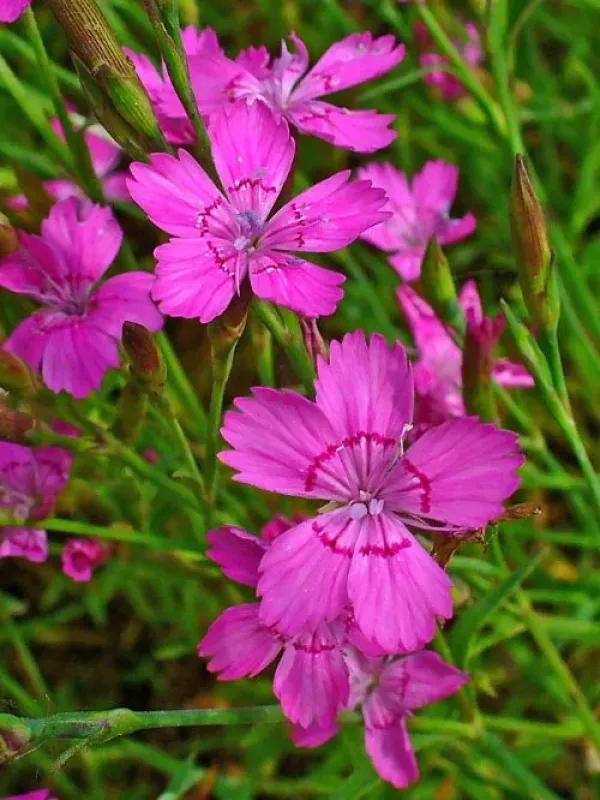
Description
Sowing dates
Sowing seeds of Dianthus furcatus is best initiated in early spring under controlled greenhouse conditions to ensure robust seedling development.
When sowing outdoors, it is essential to wait until the danger of frost has passed, usually during late spring, to provide a stable germination environment.
The seeds should be sown shallowly, as they require light to germinate effectively; pressing them lightly into the soil surface is sufficient.
Proper spacing is crucial to prevent overcrowding, which can lead to poor development and increased susceptibility to fungal diseases later in the season.
Regular monitoring of moisture levels during the germination phase is necessary, ensuring the soil remains damp but not waterlogged.
Growing requirements
Dianthus furcatus belongs to the Caryophyllaceae family and is recognized for its unique forked stems and resilient nature in various environments.
This species thrives in well-drained, alkaline soils and is particularly well-suited for rock gardens, where drainage is naturally facilitated.
High levels of solar exposure are mandatory for this plant; insufficient light results in weak, spindly growth and a significant reduction in flowering.
The plant is highly tolerant of drought once established, making it a low-maintenance option for xeriscaping or dry garden borders.
Minimal fertilization is required, as this plant is adapted to nutrient-poor soils; an overabundance of nitrogen can actually be detrimental to its hardiness.
Main diseases and pests
Root rot is the most significant threat to Dianthus furcatus, typically caused by waterlogged soil conditions or inadequate drainage in the planting site.
Fungal infections such as rust and leaf spots may appear if the air circulation around the plants is poor, particularly during humid weather conditions.
Aphids are frequent pests that target the succulent new growth and developing flower buds, necessitating prompt intervention to prevent stunted growth.
Slugs and snails can cause mechanical damage to the foliage, especially in young seedlings, requiring protective measures such as physical barriers or traps.
Integrated pest management, including regular weeding and maintenance of optimal spacing, is the most effective strategy for ensuring long-term plant health.