
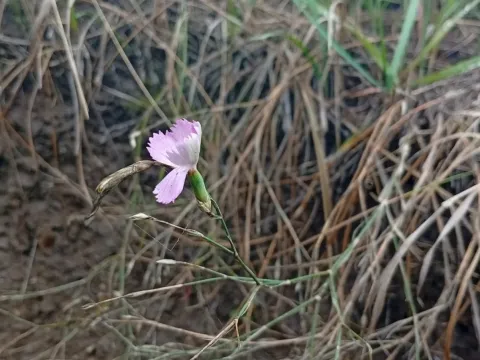
Field pink
Dianthus campestris
Field pink (Dianthus campestris) is a perennial herbaceous plant belonging to the Caryophyllaceae family. Naturally occurring in Eurasian steppes, it is highly valued for its resilience and adaptability to various environmental conditions.
What the section contains
Field pink
This species is characterized by high drought resistance, allowing it to thrive in arid climates. Its well-developed root system enables the plant to access moisture from deeper soil layers, maintaining vitality during prolonged dry spells.
The plant requires well-drained, light-textured soils such as sandy or loamy mixes. Proper drainage is the most critical factor in its cultivation, as stagnant water often leads to root rot and immediate plant loss.
A location with full sun exposure is ideal for Field pink, as the plant needs intense light for robust development and abundant flowering. Shaded areas often result in leggy stems and reduced bloom production.
Regarding soil chemistry, the plant performs best in neutral to slightly alkaline environments. It has a high tolerance for poor soil quality, provided that the aeration and moisture levels remain optimal for root health.
Sowing Field pink seeds in open ground is typically conducted in early spring once soil temperatures have reached consistent levels above 10 degrees Celsius. Surface sowing is recommended as seeds need light to germinate efficiently.
Seeds should be covered with only a thin layer of fine soil or vermiculite, not exceeding 0.5 cm. Maintaining consistent moisture during the germination phase is essential, but care must be taken not to waterlog the seedbed.
For container or greenhouse production, sowing begins in late winter. Using a light, sterile seed-starting mix prevents damping-off, a common issue with small-seeded perennials during the early stages of growth.
Once seedlings have developed two sets of true leaves, they should be thinned or transplanted into individual pots. This practice promotes stronger root development and makes the final planting into the field more successful.
When transplanting into the landscape, spacing should be approximately 20-30 cm apart to allow for proper air circulation. This distance is also beneficial for preventing the spread of diseases among mature plants.
Fungal pathogens, particularly Fusarium wilt, are the primary biological threat to Field pink. This disease usually emerges in high-humidity conditions or poor-drainage soils, leading to a sudden decline of the entire plant.
Rust and leaf spot are common foliar problems. These fungal infections appear as discoloration on the foliage and, if left unchecked, can significantly weaken the plant's photosynthetic capability and overall vigor.
Insect pests such as spider mites are particularly prevalent during dry and hot weather. These tiny organisms feed on plant fluids, resulting in chlorotic leaves and eventual plant stress if not managed promptly.
Caterpillars and thrips may pose a threat to developing flower buds. These insects can cause significant cosmetic damage, ruining the ornamental value of the crop and requiring intervention with appropriate pesticides.
Integrated pest management strategies, such as regular monitoring and removing affected debris, are essential for maintaining a healthy stand. Avoid overcrowding the plants to ensure adequate airflow, which is a natural defense against most fungal infections.