
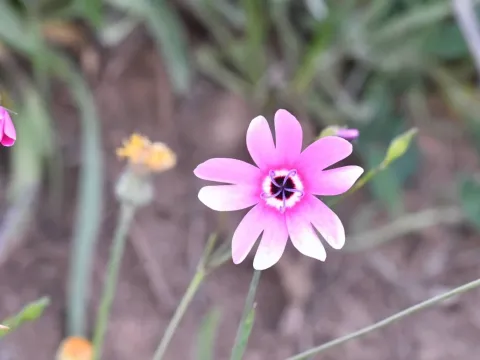
Eudianthe
Eudianthe
Sowing Eudianthe is typically carried out in the spring period when the soil warms up to optimal temperatures. For early flowering, a seedling method is possible, where seeds are sown in containers as early as the end of winter or early spring.
What the section contains

Eudianthe
The culture's seeds are characterized by high germination energy when the substrate is sufficiently moistened. Seedlings are transplanted into open ground after the threat of recurrent frosts passes, maintaining spacing between plants for free bush development.
During direct sowing in the ground, it is important to ensure shallow seed burial, as they are sensitive to planting depth. The optimal temperature range for seed germination is between 18 and 22 degrees Celsius.
An important stage is soil preparation: the plot must be well-cleared of weeds and pre-structured. Garden beds are prepared from autumn by applying the necessary organic or mineral fertilizers to provide nutrition at the start of growth.
For successful germination, it is necessary to maintain stable moisture in the top layer of the soil. Drying of the substrate at the seed sprouting stage critically reduces the percentage of germination, so the use of cover material is recommended.
Eudianthe belongs to the Caryophyllaceae family and requires sunny, well-lit places for complete photosynthesis. The crop prefers light, well-drained soils with a neutral or slightly alkaline reaction.
The plant demonstrates moderate drought resistance; however, during the active growing season, it requires regular watering. Water stagnation at the roots is detrimental, so choosing a site with good natural drainage is mandatory.
The culture's agronomy involves loosening the rows to improve aeration of the root system. This helps avoid the formation of a soil crust, which complicates oxygen access to the roots after rainfall or irrigation.
In regions with hot climates, the crop may require light shading during midday hours to avoid leaf burns and overheating. Nevertheless, it is well adapted to temperate latitudes and long daylight hours.
Fertilization is carried out with complex mineral fertilizers twice a season: at the beginning of the growth phase and during the bud formation period. An excess of nitrogen can lead to excessive vegetative mass build-up at the expense of flowering.
The main threats to Eudianthe are fungal diseases that develop in high humidity conditions. Among these, root rot caused by stagnant water in the root zone is the most common.
Pests, such as aphids and spider mites, can attack young shoots during dry periods. To prevent their reproduction, it is recommended to conduct preventive inspections and use biological preparations if necessary.
Powdery mildew also poses a danger during sharp fluctuations in night and day temperatures. Combating it consists of removing infected plant fragments and treating with broad-spectrum fungicides.
Incorrect watering regimes can trigger the development of leaf spots, which reduce the decorative appearance of the foliage. It is important to maintain spatial isolation between plants to ensure air circulation.
To protect against soil pests, mulching is recommended, which also helps conserve moisture and suppresses weed growth.