
Egyptian campion
Silene aegyptiaca
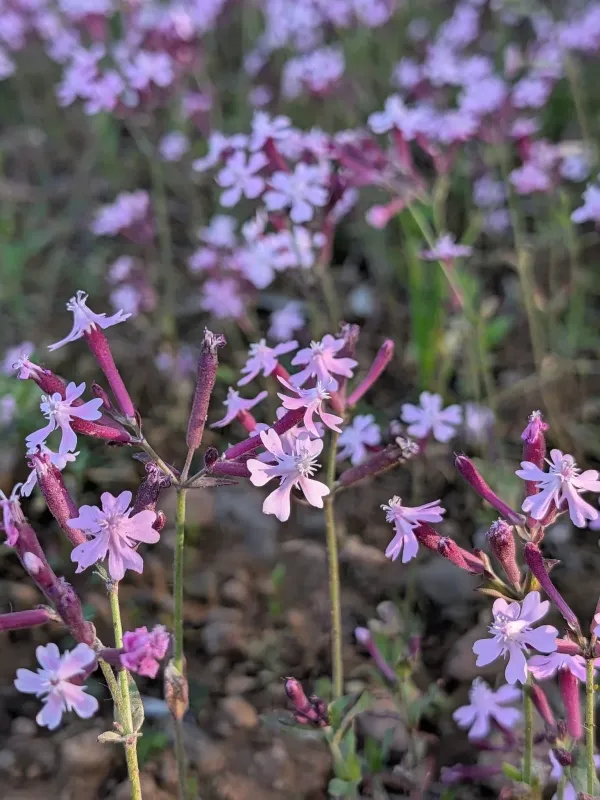
Description
Sowing dates
Egyptian campion, botanically known as Silene aegyptiaca, belongs to the Caryophyllaceae family and is recognized for its ornamental potential in landscape architecture.
The sowing season typically begins in early spring, once the soil temperature is high enough to ensure rapid and uniform seed germination across the field.
Direct sowing into open ground is recommended for late April, ensuring that the seeds are not covered deeply, as they require light for successful emergence.
Transplanting seedlings started in greenhouse conditions is an alternative method to guarantee a longer flowering period and stronger plant establishment.
Adequate spacing, typically around 20-30 centimeters, is necessary to prevent overcrowding and ensure that each plant receives sufficient resources for growth.
Growing requirements
This species thrives in sunny locations, as exposure to full sunlight is essential for maintaining a compact growth habit and enhancing flower production.
Well-drained soil is a primary requirement, as the plant is sensitive to waterlogging, which can easily lead to root rot and other physiological issues.
While the Egyptian campion displays a degree of drought tolerance, consistent moisture levels during the active growth phase are vital for high-quality blossoms.
Soil nutrient status should be managed carefully; moderate fertilization promotes vigorous vegetative growth and improves the plant's overall resistance to stress.
The cultural practices must include regular weeding, as the plant does not compete effectively with aggressive weeds that can quickly overwhelm the crop.
Main diseases and pests
The main threats to the plant include fungal pathogens such as powdery mildew, which can become prevalent during periods of high atmospheric humidity.
Pests like aphids and leaf miners are common garden threats that can damage the foliage and hinder the plant's physiological processes during the summer.
Cultural control measures, including proper plant spacing and sanitation, are highly effective in reducing the risk of disease outbreak within the stand.
When chemical intervention is required, selective pesticides should be applied with caution to minimize the impact on beneficial insects within the ecosystem.
Early identification of pest infestations is key to successful management, allowing for targeted treatments before the population spreads throughout the planting area.